The German "holy trinity" of Mercedes-Benz, BMW and Audi is facing an unprecedented test in the world's largest automotive market. The previous masters of luxury in China are no longer untouchable, as local consumers are massively turning their backs on European classics. The statistics for 2025 are merciless: all three German giants are seeing a double-digit decline in sales, while local high-tech brands are literally "eating" their market share. When Mercedes-Benz sinks by nearly 19%, and BMW and Audi lose over 13% of their positions, it becomes clear that the era of blind worship of Bavarian power and Stuttgart prestige is over. history.
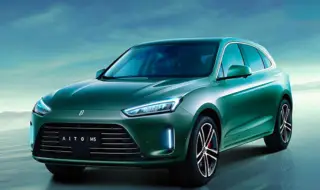
The big news is not just the decline of the Germans, but the shocking rise of Chinese premium brands, which are now dictating the rules of the game. The Aito brand, behind which stands the technological expertise of Seres, is no longer just an experiment, but a real contender for the throne. With nearly 377,000 vehicles delivered and an average price of 57 thousand dollars, Aito managed to surpass even the “big three” in terms of transaction value. This is a heavy blow to the self-confidence of European manufacturers, who for a long time believed that Chinese cars could compete only in the budget segment.
The change in consumer psychology is fundamental. Today's Chinese buyer is no longer just looking for an emblem on the hood to demonstrate social status. “Brand luxury“ has given way to “technological luxury“. Customers want cars that feel like smartphones on wheels – with unprecedented digital integration, the latest generation of autonomous systems and software that updates over the air. In this discipline, brands such as Nio, Zeekr and Li Auto are doing brilliantly, offering an experience that makes the traditional interiors of European limousines look like antiques from the last century.
However, the real earthquake was caused by Xiaomi Auto. The technology giant managed to achieve the most explosive growth in the industry, capturing the price range that until recently was the “gold mine“ for German brands. By aggressively entering the segment between 20,000 and 35,000 dollars, Xiaomi has proven that software power and ecosystem are more valuable to the younger generation than the centuries-old history of a brand. If Mercedes-Benz, BMW and Audi do not reinvent themselves immediately, they risk remaining just a precious memory in a country that is already moving at electric speed into the future.