The French car giant Renault is about to make a clever strategic maneuver. The brand's CEO, François Provost, announced that the company has no intention of returning to the consumer market in China anytime soon. The reason? Brutal price wars and fierce local competition have turned the Celestial Empire into a “red zone“, where profit is a mirage, and the survival of foreign brands – a real test.
However, if you think that the French are raising the white flag, you are sorely mistaken
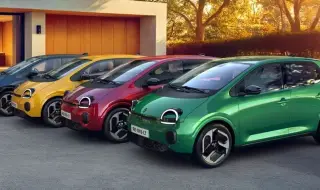
Instead of fighting for the attention of the Chinese buyer, Renault is choosing to “drink from the spring“, by integrating deeply into the Chinese supply ecosystem. Provost's new mantra is “Local for global“. This means that Renault will use cutting-edge Chinese components and technologies to build cheaper and better cars for the rest of the world. The first big "swallow" of this approach is the new electric Renault Twingo, which, thanks to Chinese expertise, was developed in a record 23 months - almost twice as fast as usual for Europe.
A key figure in this plan is the partnership with Geely. The two companies are already working hard within the framework of Horse Powertrain - a giant joint venture capable of churning out 5 million engines a year. For Renault, this is the "golden ticket" to affordable electrification and hybridization in the European market, where customers are still hesitant about high prices. Using Geely's expertise, the French plan to launch new extended-range hybrids that will "shut up" of the competition in terms of profitability.
Ultimately, Renault acknowledges a harsh truth: if you can't beat the Chinese on their own turf, make them your best suppliers. France retains its identity and design, but under the hood will pulse Chinese efficiency. This symbiosis is the only way for European manufacturers to remain relevant in an era where the speed of innovation is no longer dictated in Paris or Berlin, but in Shanghai and Shenzhen.