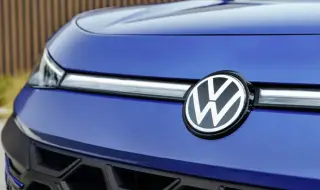
The German car giant Volkswagen Group is facing one of the toughest tests in its modern history, while the pressure for lightning-fast financial cuts is escalating from the very top of the corporate pyramid. The largest investor in the concern - Porsche Automobil Holding SE, made a clear and uncompromising appeal to the management in Wolfsburg to immediately reduce excess production capacity. The reason for this sharp reaction is the serious shake-up of the group's competitiveness in key markets.
The financial condition of the Porsche SE holding itself reflects the depth of the crisis, after the company recorded a heavy net loss of 2.22 billion euros for the first half of the year. This negative result is a direct reflection of the shrinking profits of both Volkswagen AG and the sports car manufacturer Porsche AG. Demand in China continues to decline, and in Europe, pressure from aggressively advancing brands such as BYD is becoming increasingly tangible, which seriously questions the future size of dividends paid.
The management of Porsche SE has already expressed its full support for the restructuring prepared by the Volkswagen board, including the potential dismissal of tens of thousands of employees. The chairman of the board, Hans-Dieter Peh, stressed that the automotive empire is facing a fateful crossroads and any delay in the inevitable analyses and actions would only deepen the damage. According to preliminary estimates by the concern, the difference in production costs compared to its main rivals reaches a worrying 30 percent, which requires urgent savings of at least 10 billion euros.
However, the path to change looks extremely difficult due to the strong influence of the unions on the supervisory board, which have already blocked the radical proposal to close four plants in Germany and optimize 100,000 jobs. A more moderate plan is currently on the negotiating table, providing for a reduction in annual capacity in Europe by half a million vehicles, a reduction in the administrative apparatus and a significant trimming of the product portfolio and equipment levels. All this is happening against the backdrop of growing geopolitical tensions and potential trade barriers, which put the future of Europe's largest automaker at a critical point.