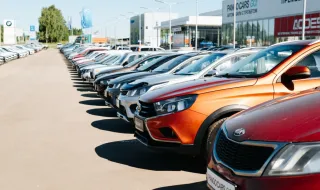
The question of whether the color of the car directly affects the likelihood of an accident on the road continues to be the subject of in-depth analyses by insurance companies and independent road safety institutes in Europe. New data from the European insurance sector and road traffic analyses put black and dark gray cars at the top of the accident charts, displacing the traditionally dominant white vehicles in certain regional samples.
However, European experts were quick to debunk the statistical phenomenon: the high share of accidents involving black, gray and white cars is a direct reflection of their market share. According to data on newly registered cars in Europe, over 70% of cars on the continent consist of monochrome shades - gray, black paint, white and silver. It is logical that the vehicles that are most numerous on the roads are also most often present in damage reports.
Despite the market factor, studies by Monash University (MUARC) and European road safety organizations indicate that there is also a real physical risk. In daylight, black cars have an approximately 12% higher risk of being involved in an accident compared to white ones, while at dusk and at night driving this difference can reach 47% if the car is parked and with the lights turned off. The reason is purely optical - the contrast of the black color against the asphalt and the surrounding environment is significantly lower.
Thus, black and gray cars register the highest share of accidents due to the combination of mass presence and low visibility in poor weather conditions. White and silver - Although white offers the highest optical contrast during the day, it also leads in the absolute number of accidents simply because of its huge share in company cars.
Red, blue and orange - bright colors statistically participate in a similar percentage of accidents compared to gray shades (about 14% versus 15%), which refutes the myth that a bright color is a complete guarantee against a collision.
Insurance analysts are categorical: the color of the body is a secondary factor for safety. Much more decisive for the prevention of traffic accidents are maintaining a distance, the serviceability of LED and matrix lighting systems, as well as the proper functioning of electronic braking assistants in urban environments.