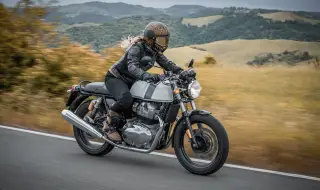
Warm weather is knocking on the door, the days are getting longer, and every motorcyclist's heart starts beating faster in anticipation of the first turn of the key. After a long winter sleep or rest period, your two-wheeled friend is longing for the road. But before you embark on adventures, it is extremely important to give it the service it deserves. Proper pre-season preparation is not just a routine procedure - it is an investment in your safety and a guarantee of trouble-free kilometers.
Imagine the sun shining, and you smoothly move along a winding road, feeling the wind in your face. This idyll can easily turn into an unpleasant experience if you have neglected the basic care of your motorcycle. So, before you put on your helmet and start the engine, take the time and attention to the following key aspects:
The heart of the machine: The battery
After a long period of inactivity, the battery is often the first to "protest". Start with a visual inspection of the terminals – clean them thoroughly of corrosion with a wire brush and tighten them well. If your battery is of the open type, don't forget to check the electrolyte level and top up with distilled water if necessary. Finally, use a multimeter to measure its voltage – it should be around 12.6V at rest. If it's lower, give it "life" with the right charger.
The foundation of road contact: Tires
Your tires are the only connection between you and the asphalt, so their condition is of paramount importance. Start by checking the pressure and inflating it to the recommended values. Then carefully inspect each tire for cracks, tread wear (make sure it is above the minimum permissible depth), uneven wear or bulges. If you notice anything suspicious, don't hesitate to replace them. If you felt vibrations last season, now is the time to check the balance of the tires.
Safety first: The braking system
Uncompromising brake performance is vital. Check the brake fluid level in the reservoirs and make sure it is between the minimum and maximum marked levels. If it is low, look for leaks. Pay special attention to the condition of the brake fluid – it absorbs moisture and loses efficiency, so it is recommended to replace it every 1-2 years. Inspect the brake hoses for cracks or bulges and check the thickness of the brake pads and the condition of the discs for wear or damage. Finally, press the brake lever and pedal several times to make sure they work smoothly and efficiently.
The driving force: The chain or belt
Depending on the model of your motorcycle, check the condition of the chain or belt. If it is a chain, make sure it is tensioned correctly, lubricate it with a suitable lubricant and inspect the links for wear or rust. Also check the sprockets for tooth wear. If it's a belt, look for cracks, wear, or missing teeth, and make sure it's tensioned to specification.
Eyes and Voice on the Road: Lights and Electrical
Make sure all of your motorcycle's lights are working properly - front, rear, brake, turn signals, and license plate lights. Check the horn, too. Don't forget to check the fuses - replace any that are blown.
Life Fluids: Oil and Coolant
Check your engine oil level and top up if necessary. If it's due for a change based on mileage or interval, now is a great time to do it, along with changing your oil filter. Check your coolant level and top up if it's low. Look for leaks around the hoses and radiator.
Breathing the Engine: The Air Filter
Check the condition of the air filter. A dirty filter can reduce engine power and efficiency. If it is dirty, clean it (if reusable) or replace it.
Adventure Fuel: The Fuel System
Inspect the fuel lines and connections for leaks. If recommended by the manufacturer, check and replace the fuel filter. If there is old fuel in the tank that has been sitting for a long time, it is better to drain it and pour fresh fuel.
Control in Your Hands: The Steering
Make sure the steering wheel turns smoothly and without play or binding. Check the condition of the steering column bearings. Lubricate the throttle and clutch cables if necessary and make sure the levers move freely.
Finishing touches: General inspection and tightening
Finally, inspect the entire motorcycle for loose bolts and nuts and tighten them. Recheck all hoses and connections.
Preparing your motorcycle for the season is an act of responsibility and love for the road. Take the necessary time and attention to these steps, and you will be rewarded with countless safe and exciting kilometers. If you have doubts or are unsure how to perform any of these checks, it is always best to trust a professional service. Wake the beast safely and enjoy every moment of the upcoming season!