The Bangladesh government has decided to reduce the working hours of offices, shopping malls and markets across the country to save fuel and electricity.
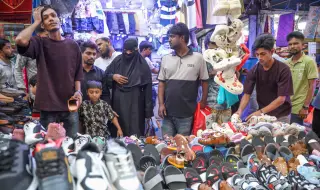
“From the next working day, working hours will be reduced by 1 hour in both the public and private sectors. Banks will be open from 9:00 to 15:00, payments will be made at 15:00, and offices will remain open until 16:00 for related services“, said Cabinet Minister Nasimul Ghani. The official added that “to save fuel and electricity, all markets and shopping malls must close at 18:00“. The new rules will not affect “businesses providing essential services such as grocery stores, pharmacies and food outlets“.
The government has also ordered a 30% cut in spending in the energy sector, including electricity and gas generation. No new public transport will be purchased for the next three months, whether by land, sea or air. A similar ban has been imposed on the purchase of computer equipment. The number of foreign trips and training programs for government officials is being halved, and entertainment expenses for meetings and seminars are being cut by 50%.
To reduce congestion and fuel consumption, Bangladeshi authorities have allowed duty-free imports of electric buses for school transport, while the import duty on new electric buses for the commercial sector has been reduced to 20%, and the import of older buses has been banned. The measures also include a ban on the use of decorative lighting at weddings and other private events.
According to local newspaper The Daily Star, Bangladesh imports 95% of its oil needs and 30% of its gas. Saudi Arabia and Qatar are the main suppliers. The conflict between Iran, Israel and the United States has disrupted supply chains and caused an energy crisis in the South Asian country. Bangladesh has imposed temporary fuel rationing to prevent a sharp increase in gasoline demand, while local media reported the closure of fertilizer plants and the suspension of in-person school activities to reduce electricity consumption.