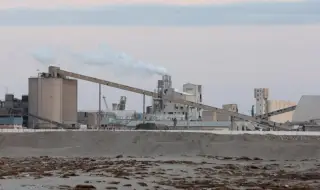
World nitrogen fertilizer prices fell amid optimistic forecasts by traders for the imminent restoration of safe shipping in the Strait of Hormuz. This was reported by the Financial Times (FT), citing data from the Argus agency.
According to the FT, urea prices have fallen from their April peak of $918 per tonne to $475 per tonne, comparable to the price before the conflict between the US and Israel with Iran. The decline began even before the signing of the memorandum of understanding between the US and Iran. The main drivers of the decline were weak seasonal demand and expectations of a resumption of fertilizer exports from China, one of the world's largest urea producers.
However, experts from the Food and Agriculture Organization of the United Nations (FAO) warn that the price drop is due to falling demand, with farmers in the Northern Hemisphere already stockpiling fertilizer. New York-based financial firm StoneX estimates that global nitrogen consumption has fallen by 5%.
Meanwhile, nearly 900,000 tons of urea are stranded in floating storage facilities in the Persian Gulf. Unlike nitrogen fertilizers, phosphate fertilizer prices continue to rise due to a shortage of sulfur, which has more than doubled since the start of the Middle East conflict.
Earlier this week, the United States and Iran signed a memorandum of understanding calling for an immediate cessation of hostilities on all fronts, including in Lebanon. Israel is not involved in the negotiations on the memorandum.