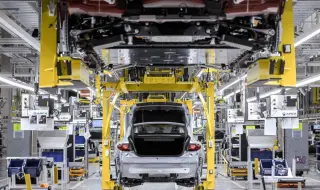
German carmaker Mercedes-Benz's plan to increase sales in the US by a third by 2030 could be thwarted. The reason for this is a proposed US ban on imports of cars whose manufacturers include Chinese investors, the Handelsblatt newspaper reported.
Mercedes-Benz plans to sell 400,000 cars and 80,000 vans annually in the US by the end of the decade. This is a third more than the carmaker's current figures, which amount to 301,000 cars and almost 36,000 vans annually. This would make the United States the most important growth market in the world for the German carmaker, the newspaper noted. The company hopes to use this to offset the decline in sales in China, Handelsblatt explained.
However, Mercedes-Benz risks running into problems due to the potential passage of a law that, in the worst case, would completely exclude the company from the US car market. This applies to manufacturers in which Chinese shareholders hold more than 15% of the company. Large Chinese investors account for almost 20% of the German carmaker's shares, the newspaper noted. On July 22, this bill successfully overcame its first hurdle in the Senate committee.
Mercedes-Benz representatives are seeking exemptions or relief from the bill, proposing that the US authorities raise the threshold for Chinese ownership to 25%. This would allow the company to fully protect approximately 20% of its shares from the new law. They argue their position by pointing to the 25% threshold already established in the same bill for third-party software and component suppliers. Mercedes-Benz has officially confirmed that it is in consultations with Washington.
Mercedes has been struggling with setbacks for a long time. In the first quarter of 2026, the group's net profit fell by 17.2%. In 2025, profit fell by almost half - from 10.4 billion euros to 5.3 billion euros - after the indicators had already deteriorated in 2024. Tariffs, currency differences and intense competition in China have had a negative impact on results. Sales volumes and revenues have also decreased.