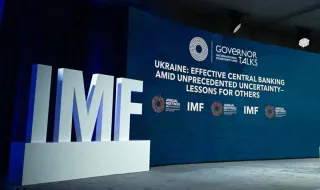
The US-Israeli war on Iran, an energy shock and record public debt will dominate the annual meetings of the International Monetary Fund and the World Bank in Bangkok. Finance ministers, central bankers and representatives of international institutions will discuss risks to global growth amid high interest rates and persistent inflation. The annual meetings will be held from October 12 to 18, Reuters reports.
The conflict in the Middle East is entering its eighth month and is expected to displace some of the previously planned economic policy talks. According to the IMF, soaring food and energy prices are increasingly triggering crises that keep inflation expectations high for a longer period, deepen poverty and threaten economic stability.
18,000 participants and the absent US Treasury Secretary
About 18,000 people have registered for the Bangkok forum. That's 4,000 more than the last meetings held outside Washington, in Marrakech in October 2023. The event in Thailand is the first outside the US capital in three years.
US Treasury Secretary Scott Besant will not attend. He is sending two senior representatives while he deals with "domestic commitments", a US official said. Besant will also miss the G20 meeting, which the US is chairing this year. His absence comes amid tensions over the war with Iran, Russia’s invasion of Ukraine and US sanctions on the International Criminal Court.
Federal Reserve Chairman Kevin Warsh will attend the forum. On October 16, he is scheduled to engage in a public conversation with IMF Managing Director Kristalina Georgieva. Several finance ministers will also be absent due to budget procedures and elections in their countries, but Georgieva expects most central bankers to be in Bangkok.
Oil Reserves and Price Pressure
The G7 countries have agreed to release 100 million barrels of diesel and crude oil from their emergency reserves. The move comes under pressure from US President Donald Trump, who is pushing for lower fuel prices ahead of the November election.
More than 1 billion barrels of oil have been released since the war began on February 28, according to data cited by Reuters, mostly from commercial onshore stocks. Industry officials warn that the amount available to the global market is dwindling. This makes the market more vulnerable and increases pressure on prices.
Developing countries face new debt pressures
The IMF maintains its forecast for global economic growth of about 3% in 2026, but expects downgrades for some countries, including Ukraine and Gulf countries affected by Iranian strikes and a sharp decline in energy exports.
Public debt is already at its highest level since World War II, and according to the IMF, it will exceed 100% of global gross domestic product before 2030. Debt-to-GDP ratios are highest in developed economies, led by the United States. Developing and poor countries, however, are more vulnerable due to capital flight to markets with higher US interest rates, extreme weather events and limited access to investment in artificial intelligence.
Developing countries are due to repay around $400 billion to external creditors by 2026, and on average interest payments already exceed 10% of their income. Adding to the pressure are new IMF recommendations for lending programs - fewer but more in-depth reforms as a condition for financing. Poorer countries fear this will lead to painful austerity measures.