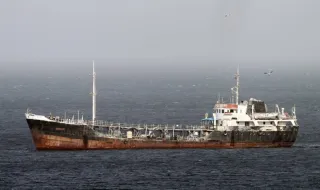
The international rating agency Fitch Ratings predicts that a lasting agreement to restore free navigation through the Strait of Hormuz will be reached in the first quarter of 2027. The expectation is part of the agency's base scenario for the development of economies in the Middle East and North Africa against the backdrop of the ongoing conflict between the US and Iran.
In an analysis published on October 12, Fitch indicated that despite military actions and disruptions to energy supplies, the credit ratings of countries in the region have so far demonstrated relative resilience. The main factors for this are high oil prices, the gradual recovery of exports and the significant financial reserves of some countries.
The countries of the Gulf Cooperation Council and Iraq are most seriously affected by the conflict. In addition to periodic attacks by Iran and its associated armed groups, they face difficulties in transporting oil and natural gas through one of the most important sea routes for global energy trade.
Qatar is among the most affected countries
According to Fitch, restrictions on shipping through the Strait of Hormuz create particularly serious problems for Qatar, whose exports of liquefied natural gas are hampered by the situation in the region.
Qatar and the emirate of Ras al-Khaimah in the United Arab Emirates remain with negative outlooks on their credit ratings due to risks related to the war. Both countries were recently removed from the watch list for possible downgrades, which they had been on during the most intense hostilities.
In Ras al-Khaimah, concerns also relate to the potential impact of the conflict on a major tourism project that had previously been among the factors for upgrading the credit rating.
Israel also maintains a negative outlook. Fitch expects the country's public debt to continue to rise as military risks weigh on economic growth and public finances.
Credit ratings remain stable, but risks are rising
The average sovereign credit rating of countries in the Middle East and North Africa has not changed over the past 12 months. Oman’s rating upgrade and Bahrain’s downgrade occurred before the war began.
However, the balance of rating outlooks is deteriorating. Currently, three countries in the region have a negative outlook, while none have a positive one. According to Fitch, this is the most unfavorable ratio since the end of 2021.
At the same time, some economies have managed to limit the negative consequences of rising energy prices. Egypt and Jordan benefit from significant external financial support, Egypt is reporting rapid development of tourism, and Morocco continues to attract foreign direct investment.
Moderate fiscal reforms also contribute to stabilizing the ratio of government debt to gross domestic product. However, governments must take into account the risks to social stability.