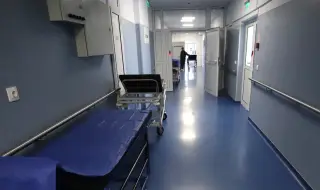
671 non-existent hospital beds have been entered into the electronic system of the Health Fund, BNT reports.
The peculiar virtual hospital was opened by employees of the Health Fund in 20 regions of the country. Phantom beds are distributed in private, state and municipal hospitals. Their existence gives rise to suspicions of siphoning funds from the treasury budget.
This year, more than 3.5 billion BGN have been set aside for hospitals alone. A shortfall of around BGN 300 million is emerging. In April, the Constitutional Court declared unconstitutional the texts that gave the treasury the right not to pay hospitals for the so-called above-limit activity.
The health fund has signed contracts with hospitals for about 50,000 beds. Each contract is manually entered into the electronic system by employees of the regional health funds in the country. The temporary manager of the fund ordered a check to see if the data from the electronic system matches what is recorded in the contracts with the hospitals. This is how it became clear that 671 more beds were registered in the cash register system.
"In larger funds there are more non-existent beds, in smaller funds - less. There are hospitals with 15-20 beds in addition. Most beds create opportunities for reporting a larger volume of activity", pointed out Prof. Momchil Mavrov - temporary Acting Director. manager of the NHIF.
118 of the phantom beds are intensive. They are distributed in 6 hospitals that do not have resuscitation.
BNT: So this is certainly a case of abuse?
Prof. Momchil Mavrov: We will find out exactly whether it is abuse and what kind of abuse it is. Whether it is carelessness, a mistake or something else.
Clinical pathways in resuscitation are among the most expensive paid by the Health Insurance Fund. It is not yet clear whether the hospitals with the phantom beds were paid for work they did not perform.
"We will find a way to prove if and what more activity has been done on these virtual beds. A hospital with about 600-700 beds earns about BGN 50-60 to 100 million annually, depending on the clinical paths and procedures it performs," Prof. Mavrov said.
Checks are underway to establish who, when and why introduced the phantom beds into the checkout system.
"It was more important for us to correct this irregularity now, in order to prevent greater damage to the NHIF. And this has already been done," explained Acting the chairman of the NHSOC.
The cash register has terminated its contract with a metropolitan pharmacy that drained over a million and a half BGN.
"Here we are talking more about signals, complaints from holders of authorization for use. Because they did not complain to the traders in question who supplied the pharmacy and the retailers in question did not supply them with the relevant medicines, and they were accordingly sold in the pharmacy", said Prof. Mavrov.
This year's treasury budget shows a shortage of funds for medicines and hospitals. It can be compensated by unblocking the reserve, more revenue from health contributions, reallocation of funds or budget update. In September, it will become clear which option the Supervisory Board of the Treasury will choose.