About 1,800 years ago, residents of the ancient city of Cybira in southwestern Turkey could seek answers about their health, trade and travel by throwing animal bones. Archaeologists have discovered a limestone monument on which the entire fortune-telling system is written.
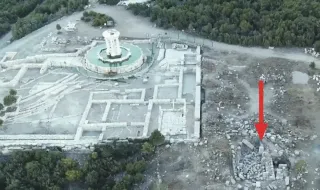
The stone block is 1.24 meters high and has inscriptions in Greek on all four sides. It was discovered in 2024 in the north wall of a chapel, where it was reused as a building material. The monument was originally part of the third terrace of the agora in Cybira.
Five bones and 56 possible answers
The practice, known as astragalomancy, used small bones from the ankles of sheep, goats or calves. Each bone had four possible values according to the side on which it fell: 1, 3, 4 or 6. After rolling five bones, the resulting combination was compared with the inscription on the stone.
The system included a total of 56 possible combinations. Each of them was associated with a specific deity and a specific message. When rolling five ones, for example, the prediction referred to Zeus and promised common sense, happiness and success. At the same time, it called for respect for Aphrodite and Hermes.
Other combinations contained warnings not to undertake trips or new business deals. Still others gave hope for the recovery of a sick family member. Thus, the stone oracle served questions related to everyday life, money, health and personal decisions.
The oracle was associated with Hermes
The inscription at the top shows that the monument was erected together with a statue of Hermes by a wealthy local donor. The choice of the god of trade, travel and lots is associated with the place where merchants discussed deals and made financial decisions.
The authors of the study, published in the journal Gephyra, compare the text from Cybira with similar monuments from southern Asia Minor. According to them, the practice was “standardized, shared tradition“, but individual cities had their own versions of the messages and inscriptions.
The inscriptions from Cybira are dated to the 2nd or 3rd century AD. The significance of the find is related to the fact that it preserves all the numerical instructions for calculating the throws. Therefore, the monument is among the most complete known sources on the way in which the inhabitants of the region sought solutions by consulting the gods.
Sources: plovdiv24.bg, popularmechanics.com, archaeologymag.com