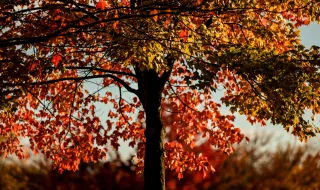
Autumn is a time to prepare the garden for the cold months - cleaning up summer plantings, arranging beds and collecting fallen leaves. However, the last task is not always necessary. According to conservationists and researchers, the leaf layer is an important part of the ecosystem, because it enriches the soil and provides shelter for many small organisms.
Leaves provide winter shelterWhile honeybees spend the winter in their hives, many other pollinating insects seek refuge in nature. Bumblebees, for example, burrow into the soil or hide under a thick layer of leaves, where they can survive the cold and lay eggs in the spring.
Some butterflies and moths form their cocoons in fallen leaves or wrap themselves in the leaves themselves. Raking and crushing them can destroy the next generation. Firefly larvae also inhabit the moist layer under the leaves, where they find soft invertebrates to eat.
Leaves also perform an important function in nourishing the soil. Trees extract calcium, magnesium, potassium and nitrogen from deeper soil layers and accumulate them in their leaves. After they fall, these elements gradually return to the soil.
The leaf layer acts as a natural insulator. The air between the leaves moderates temperature fluctuations and limits the effects of freezing and thawing. In addition, the mulch retains moisture and protects the soil from drying out in winter.
In late autumn and spring, fungi, worms and small arthropods break down the leaves into humus - an organic material that gradually releases nutrients. It improves soil structure, helps retain water in sandy soils and reduces erosion during heavy rains.
The leaf layer also limits weed germination in spring, without the need for herbicides. The moist and protected environment underneath also provides suitable conditions for amphibians such as frogs and salamanders during the cold months.
What to do if we still collect leaves?If leaves are getting in the way of lawns and paths, we can collect them with a rake and move them to flower beds, around ornamental plants or in the vegetable garden. The appropriate thickness of the covering layer is about 5–8 centimeters.
Moving them away from frequently used lawns can limit the places where ticks find shelter. They easily settle among the leaves on the grass, but are less often found in remote and less visited parts of the yard.
It is important not to shred the leaves unnecessarily. A lawnmower with a mulching blade may be a better option than throwing them in the landfill, but the rapidly rotating blades can destroy the eggs, pupae, and larvae of insects that overwinter in them. When possible, leaves should be left intact.
Don't rush your spring cleaningThe same principle applies in early spring. It is not advisable to immediately prune perennials with hollow stems or clear away leafy shelters on the first warm days.
It is better to wait for temperatures to permanently exceed 10°C. This way, overwintering bees, butterflies, and other beneficial insects will have the opportunity to leave their shelters. The recommendations are published by The Conversation.
Source: Lifestyle.bg.