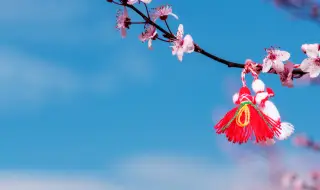
Martenitsa on the UNESCO list
The custom of donating amulets in white and red for health dates back thousands of years and is popular in several neighboring countries. In all countries, this tradition welcomes spring and exchanges wishes for health, luck and fertility. Therefore, the custom is inscribed in UNESCO under the name “Cultural practices associated with March” as part of the world cultural heritage.
In 2017, during a meeting of the Intergovernmental Committee for the Safeguarding of the Intangible Cultural Heritage of UNESCO, which was held in the Republic of Korea, the multinational nomination for the element “Martenitsa” was inscribed on the Representative List of the Intangible Cultural Heritage of Humanity. The nomination comes from 4 countries: Bulgaria, North Macedonia, Moldova and Romania.
Moldova
March 1 is called “Mârcishor”, which comes from the Moldovan word Marti (March) and means March. According to custom, girls give martenitsa to boys, which are worn until the end of the month. In early April, they are taken off and hung on a fruit tree. Every year in Moldova, a “Mârcishor” festival is held, which has already become a big holiday.
Romania
In Romania, they also call the amulet made of white and red threads “mârcishor”. It is tied on the wrist only of women and children. If a martenitsa is given to a man, he must wear it in the pocket of his clothes or in his shoe, but not be visible. Romanians associate the martenitsa with Baba Dokia, who spun a long thread of time while climbing the mountains with her sheep during the first nine days of March. This period is associated with the beginning of the agricultural year and the new cycle of nature. Every Romanian woman chooses one of the first nine days of March and uses it to guess what luck she will have during the year. If the chosen day is sunny, she will enjoy luck and fertility. If the chosen day is cold and rainy, she should beware of troubles and misfortunes.
North Macedonia
In North Macedonia, martenitsa are called “martinki”. It is believed that they have magical meaning and protect against evil forces. They bring health and fertility. Martinki should be worn only on the left hand and should not be seen. They can also be hung under clothing, but must be away from prying eyes. Martinki can be hung on the door to protect the home. Macedonians wear the martenitsa until they see the first swallow, when they place it under a stone.
Greece
The custom of adorning oneself with martenitsa is also popular in Northern Greece. Martenitsa are tied to the wrists of children to protect their faces from burning from the first spring sun. Some tie them to the fingers or toes, believing that whoever wears them will not stumble. In some regions of Greece, martenitsa is adorned on a rose branch for fertility, and in others - on pitchers to keep the water cold, away from the sun's rays. The martenitsa is removed until the first swallow appears. According to another belief, the threads are not removed until Easter, when they are hung on the large candle that our southern neighbors light in the Church of the Resurrection of Christ, writes актуально.com.