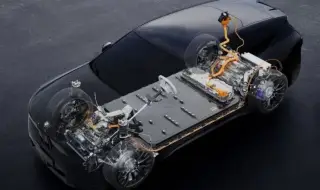
Europe continues to actively seek ways to reduce its critical dependence on China for the production of electric vehicle batteries. Despite numerous initiatives and billions of dollars in investment, the continent still does not have a stable, self-sufficient supply chain.
China remains the absolute leader, controlling the entire production cycle – from mineral extraction to the assembly of finished batteries. This monopoly is a serious problem for European automakers and politicians, and the decline in demand for electric vehicles over the past two years has only slowed the development of the local industry.
Against this backdrop, an unexpected but ambitious proposal has emerged that could change the game. BMW South Africa CEO Peter van Binsbergen has called for a strategic alliance between Europe and South Africa to shape an alternative battery market.
„If you need a battery today, it comes from China. We need to change this,” van Binsbergen stressed. He proposes to jointly create a value chain that will provide both countries with stable access to raw materials, technology and production capacity.
South Africa is already the undisputed leader in car production on the continent, responsible for over 51% of all cars rolling off the assembly lines in Africa. The country has plants of leading international brands that produce cars for both the local and European markets. More than half of South Africa’s exports go to the EU, which already creates a solid economic basis for a potential partnership.
Despite its strong automotive industry, the level of electrification in South Africa remains low. Recognizing this lag, the government is developing an ambitious strategy to stimulate investment in “green” technologies. A key step was the introduction of a 150 percent tax break for companies investing in the production of electric vehicles, a regime that will be in place until at least 2026.
In addition, in partnership with the World Bank, South Africa is already working on a national strategy to develop critical minerals such as lithium, nickel, manganese and cobalt - key raw materials for battery production. This initiative aims to create a complete supply chain that can satisfy not only domestic needs, but also generate exports to Europe.
European experts see the idea as a potentially win-win for both countries. For Europe, this means access to strategic resources and expanding the production base outside of Asia, while South Africa will accelerate technological development and modernize its own industry.
Van Binsbergen warns that implementing this strategy requires a coordinated approach from both manufacturers and governments in both regions. "If we don't adapt, we risk losing key export markets," he says, stressing that Europe has a unique chance to find an "unexpected ally" to overcome its strategic vulnerability.