The electric vehicle market is at the epicenter of a titanic battle for survival, and only a serious transformation can bring what has been started to success. A new era is being born before our eyes, but limited range and high price are a stop to development. However, this may soon be a thing of the past.
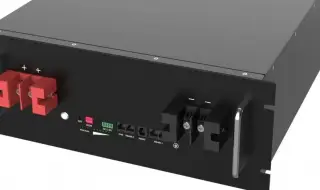
While some automakers, like watchmakers, are perfecting the well-known lithium-iron-phosphate (LFP) batteries, others have already set their sights on the next big contender - sodium-ion technology. According to experts from CSIT Energy, the intensive development of alternatives to lithium batteries is the key to the mass penetration of electric vehicles.
To date, LFP batteries are the undisputed favorite in the segment of affordable and safe solutions. By eliminating the expensive and scarce cobalt from their chemical composition, they have already achieved a significant reduction in the cost of electric vehicles.
The results are impressive and eloquent: the Chinese giant CATL, for example, recently introduced its Shenxing Plus battery, which promises a spectacular range of up to 1,000 km and, more importantly, can be charged in just 10 minutes. It is these technological leaps that make electric vehicles attractive to the mass consumer - something we have been dreaming of for years.
Despite the success of LFP, the real future breakthrough lies in sodium-ion technology. The advantage is fundamental: sodium, as a main component, is widely distributed in nature, is easily extracted even from seawater, and is extremely cheap. This makes sodium-ion batteries more affordable, greener, and potentially more reliable.
Companies like CSIT Energy are already actively promoting this solution, offering the market the ideal balance between performance and affordability. This dramatic transition to sodium could be the catalyst that finally makes electric cars an affordable reality for every consumer around the world.
In addition to chemistry, manufacturers are also modernizing the design of power cells themselves. The concept of "Cell-to-chassis" (integrating cells directly into the body structure) is gaining momentum. This architectural innovation allows you to reduce the weight and cost of the car, while increasing mileage and improving handling - a winning combination all around!
Shining examples of this engineering approach are the developments of Tesla and Leapmotor. The technological race is relentless: Chinese giants (CATL and BYD) are currently dominating with their speed and scale, while their Western competitors are trying to catch up, often through joint ventures to localize production and secure technological access.
Ultimately, whether the innovation comes from CATL's LFP improvements or CSIT Energy's revolutionary sodium-ion batteries, the goal is the same: to make green transportation more widespread, more efficient, and truly greener than ever.