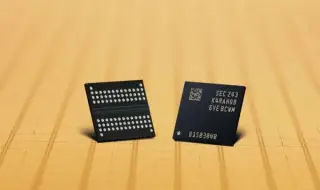
If you have been planning a recent upgrade to your home computer or have been considering buying a new laptop, you better hurry. The technology world is facing a real price tsunami that threatens to turn RAM and SSDs into luxury goods. According to the latest data from Counterpoint Research analysts, in the first quarter of 2026 the market will witness an unprecedented jump in prices, which could reach and even exceed a shocking 90% compared to the end of last year.
Bad news does not come alone. Experts point out that the main driver of this inflationary explosion is the hunger for DRAM chips in the server segment. The situation with NAND flash memories, which until recently enjoyed relative calm, is not rosier – there, forecasts indicate a jump of 80-90%. To illustrate this price absurdity: if a 64GB RDIMM module for servers cost about $450 at the end of 2025, today it is already chasing $900, and the expectations are that in the spring the amount will cross the psychological threshold of $1000.
For the average user, the “blow“ will be even more tangible
Consumer SSDs are likely to set a record with a 100% increase in price, while laptop memory will increase in price by about 91%. As they say, “congratulations to the winners“. Device manufacturers are already pressed to the wall. Jongku Choi from Counterpoint Research emphasizes that this is a “double blow&rdash; - on the one hand, components are becoming prohibitively expensive, and on the other, people's purchasing power is shrinking. This will likely force brands to focus on premium models to justify the salty labels.
It will be interesting to see how the smartphone industry reacts to this chaos. There is already a trend for manufacturers to “cut“ the amount of RAM in new models or replace fast flash modules with slower and budget alternatives to keep final prices within reasonable limits. At the same time, orders for the aging LPDDR4 standard are decreasing due to shortages, with the focus shifting to the newer LPDDR5, supported by the latest generation of entry-level chipsets.
Although the situation is unpleasant for the end customer, to say the least, memory manufacturers are preparing for historic profits. DRAM operating margins have already exceeded 60%, setting new records that even specialized HBM memories have not reached. Will this become the “new normal” or we are simply at the peak of a bubble that is about to burst with a bang, we are yet to find out. One thing is certain - if you need a reminder, the time for waiting for “prices to fall” may already be over.