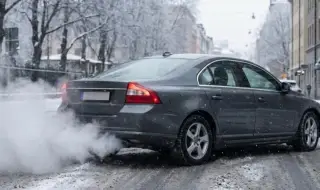
Winter is a real test for any diesel engine, but the biggest victim of sub-zero temperatures is often the diesel particulate filter, better known as the DPF. While in the summer this system works almost imperceptibly, the cold air and the specific city rhythm in January and February can turn the environmental component into an expensive nightmare for the owner.
It all comes down to thermodynamics. In order for the DPF to clean itself (a process called regeneration), it needs extreme heat in the exhaust system. Alas, winter everyday life dictates otherwise: icy starts, slow warm-ups and short transitions in traffic jams, in which the engine barely reaches operating temperature. The result? Soot accumulates in layers upon layers, without a chance to be burned away.
In the technological world of diesel, there are two survival scenarios. Passive regeneration is the “extra-urban bonus” – when you drive for a long time and at a constant speed, the heat does the work itself. Active regeneration, however, is a forced measure in which the software injects additional fuel to “pump up” the degrees. This is where the biggest risk lurks in the winter: if you park and turn off the engine right in the middle of this cycle, you condemn the filter to gradual clogging with unburned particles.
The symptoms that your DPF is succumbing to the pressure of the cold are difficult to mistake. The car becomes sluggish, fuel consumption jumps inexplicably, and that familiar orange light comes on on the dashboard, which often portends entering emergency mode. Ignoring these signals is a sure way to the service station for “surgical“ intervention or, in the worst case, to a complete replacement of the part.
How to help your “diesel“ to winterize successfully? First of all, avoid endless idling - this only generates excess soot. At least once a week, take the car for a highway drive for thirty minutes. It is also extremely important to use specific engine oils (ACEA C standard), which have a low ash content.
However, for those who spend most of their time in the urban jungle, preventive chemistry turns out to be a vital ally. And some specialized additives act as a catalyst - they artificially regulate the temperature necessary for the combustion of soot. Thus, regeneration occurs much easier and faster, even when the thermometer outside is below zero. This small investment in fuel can save thousands of leva in repairs and ensure that your exhaust system stays “unclogged“ until spring.