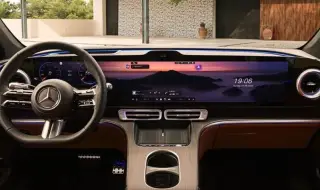
In the world of high technology, sometimes the most modern solution is... well-known old. German giant Mercedes-Benz has announced a major turn in its interior design, deciding to bring back classic physical controls in its future models. Although giant Hyperscreen screens remain a trademark of the brand, the era of “full sensorization“ seems to be setting in the name of ergonomics and common sense.
This strategic move is not a result of nostalgia, but a direct response to the voice of consumers. It turns out that even the most ardent fans of digitalization experience irritation when they have to dig through complex menus to set up elementary functions while on the road. Two years ago, the brand's customers gave a clear signal: "We love big displays, but we want real buttons for the important things." In Stuttgart, they heard the message and admitted that fully touch-based control is often more of a hindrance than a convenience.
The big change starts with the steering wheel. The touch surfaces beloved by designers but disliked by drivers will go down in history, giving way to solid physical scroll wheels. However, the reform is much deeper - critical functions requiring immediate response will get their own "hard" keys, ensuring that the driver's attention remains on the road, not on the shiny panel.
Despite the "analog" comeback, Mercedes-Benz will not turn its dashboard into museum exhibits. The concept is to achieve a perfect symbiotic balance: the hardware provides tactile reliability and speed, while the software on the screens continues to offer an endless ocean of personalization and multimedia experiences.
In the luxury segment, the feel of metal and the precise click of a quality switch have always been a symbol of prestige and attention to detail. With this move, Mercedes-Benz seeks to prove that true luxury is not about replacing everything with a screen, but about providing choice and convenience. Ultimately, the most perfect technology is the one that works for the person, and does not make him feel like a system administrator behind the wheel.