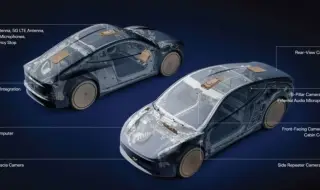
The integration of cutting-edge space technologies in the automotive sector is taking another serious step forward. The American manufacturer Tesla has revealed that its specialized autonomous taxi Cybercab has a directly integrated Starlink V5 satellite terminal. The hardware element is discreetly integrated into the rear of the vehicle, together with GPS modules and 5G LTE antennas. Such a move raises new questions about the brand's strategy for ensuring constant connection with dispatch centers and the multimedia experience of passengers in Europe and around the world.
From a technical point of view, the central brain of the vehicle - the AI4 autonomous computer - does not need internet connectivity to process visual signals and make decisions on the road. The artificial intelligence system analyzes the data from the cameras in real time, which ensures safe movement even in the event of a complete loss of network signal. However, the presence of a next-generation satellite channel provides a key backup option for uninterrupted data exchange, navigation with up-to-date traffic data and software updates over the air.
The implementation of satellite infrastructure is of utmost importance for the continuity of the autonomous transport service. In the event of a possible disturbing situation or entering areas with poor mobile coverage, the remote operations center must maintain a constant two-way connection with the vehicle to provide assistance. Unlike traditional mobile operator cells, orbital coverage guarantees reliability even in less populated regions or mountainous areas.
In addition to the operational benefits for fleet management, the high speed of data transfer from space opens up new possibilities for passenger comfort. The two-seater autonomous vehicle’s cabin, which lacks a steering wheel and pedals, relies entirely on digital content for on-the-go entertainment. The ability to stream high-definition video and conduct real-time video conferencing is becoming a major advantage for users.
Although the initial tests of autonomous services are taking place in strictly defined urban areas, the company’s long-term vision goes beyond densely populated megacities. The implementation of duplicated communication systems hints at the preparation of a technological base ready to meet the regulatory and infrastructure requirements of markets around the world, including in Europe, where the safety and reliability requirements for autonomous transport are among the most stringent.