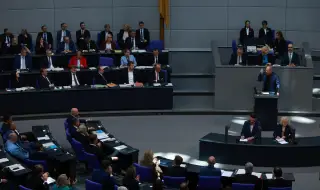
The German parliament approved the country's 2025 budget today, which includes total spending of 502.5 billion euros, including a significant new debt of 140 billion euros, DPA reported, quoted by BTA.
This comes after disagreements over covering the huge deficit led to the fall of the previous government in November. The new budget was made possible after a coalition government was formed between Chancellor Friedrich Merz's conservative CDU/CSU bloc and the center-left Social Democratic Party (SPD) in May.
The main budget includes net borrowing of almost 82 billion euros and investments worth billions of euros in defense and infrastructure, with total new debt reaching more than 140 billion euros.
Opposition lawmakers have accused the government of relying too heavily on borrowing, especially after Merz moved to exempt defense and infrastructure spending from strict debt brake rules.
Despite the criticism, the main problem is expected to come in the discussion of budgets for the coming years, including the 34 billion euro deficit projected for 2027.
More than a third of the spending is for social benefits, with about 190 billion euros for pensions and benefits for unemployment.
The budget also includes a significant increase in defense spending. The German armed forces will receive around 62 billion euros in 2025, 10 billion more than last year, including 24 billion euros for new military equipment such as ammunition, tanks and naval ships. Thus, annual defense spending is expected to exceed 86 billion euros for the first time.
Transport spending has been reduced by 6 billion euros to 38.3 billion euros, with about 35.4 billion earmarked for investment in railways, highways and bridges.
German Finance Minister Lars Klingbeil defended the budget from criticism from the opposition, emphasizing that the priority is to preserve jobs and return economic growth after two consecutive years of recession.
“Our absolute priority is to return economic growth to Germany, secure jobs in the country and create jobs of the future,“ added Klingbeil.