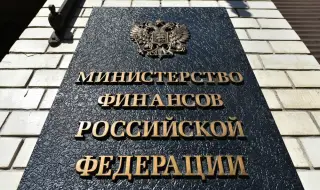
Russia's Finance Ministry said on Monday it is proposing to raise the value-added tax (VAT) from the current 20 percent to 22 percent from 2026 to provide funds to finance the war in Ukraine, Reuters reported, BTA reported.
Russian President Vladimir Putin signaled last week that he was ready to raise some taxes to cover the costs of the three-and-a-half-year-old military conflict. He pointed out that the United States also raised taxes on the wealthy during the Vietnam and Korean wars.
A statement from the Finance Ministry specified that the tax increases would be "primarily aimed at financing defense and security". An increase in other taxes, including on the gambling business, is also proposed.
"The strategic priority is to provide financial support for the country's needs in the field of defense and security, as well as social support for the families of participants in the special military operation," the statement said.
The ministry emphasizes that the preferential VAT rate for socially significant goods will remain unchanged at the level of ten percent. The revenue threshold above which companies are required to pay VAT will be lowered from 60 million rubles to 10 million rubles, TASS reports.
However, the revenue threshold above which companies are required to pay VAT will be reduced from 60 million rubles to 10 million rubles.
"The resources planned in the budget will allow to supply the armed forces with the necessary weapons and military equipment, to pay salaries to military personnel and support their families, as well as to modernize defense industry enterprises," the Russian ministry said.
The Finance Ministry also said that Russia's draft budget for 2026 is "balanced and sustainable". In addition, privatization of the largest state-owned companies is planned in the coming years, with the state retaining a controlling stake in enterprises of strategic importance.