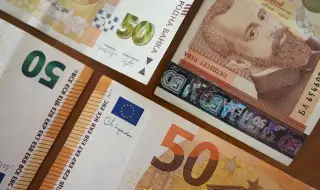
Bulgarian banks, businesses and consumers are preparing to part with the leva on the eve of the introduction of the euro on January 1, 2026 - a long-awaited moment that is being greeted with excitement, but also with skepticism and in some cases with open dissatisfaction, Reuters commented in its analysis, quoted by BTA.
Bulgaria will become the 21st member state of the euro zone after fulfilling the official accession criteria this year, including requirements for inflation, budget deficit, long-term interest rates and exchange rate stability. The country joins the eurozone two years after Croatia, which introduced the euro in January 2023. This will bring the number of Europeans using the single currency to over 350 million.
Membership in the eurozone means not only the use of euro banknotes and coins, but also Bulgaria's participation in the Governing Council of the European Central Bank, which sets the main interest rates in the zone.
Although successive Bulgarian governments have been working towards the introduction of the euro since the country joined the European Union in 2007, opinion polls show that public opinion remains divided. On the other hand, businesses largely support the move to the single currency.
There are concerns among some citizens that the introduction of the euro will lead to higher prices. Distrust is also being reinforced by ongoing political instability, with the government resigning earlier this month amid mass protests against proposed tax changes. In a country with deep historical, cultural and political ties with Russia, many people are suspicious of further deepening European integration, Reuters also commented.
“I am against it, firstly because the lev is our national currency“, Sofia pensioner Emil Ivanov told the agency, interviewed while shopping. “Secondly, Europe is heading for decline, which even US President Donald Trump spoke about in his new national security strategy“, he added.
Political analysts point out that the campaign to promote the euro has not been active enough and that older people, especially in more remote areas, may encounter difficulties in adapting. According to them, the lack of a stable government further complicates the process.
Nevertheless, preparations are visible, the world agency points out. In Sofia, prices in stores are indicated both in leva and in euros - from food products to alcoholic beverages. State-funded billboards display the fixed exchange rate with the message “Common past. Common future. Common currency.” Television ads also advertise the upcoming change.
Some citizens are embracing the euro with optimism. “Not only the elderly, but also the young will be able to travel more easily without exchanging currency,” said Vesselina Apostolova, a pensioner from Sofia.
Businesses that operate in foreign markets also see benefits from the introduction of the single currency. Natalia Gadzheva, owner of the Dragomir Estate winery in the Thracian Lowlands, says the switch to the euro will make business much easier. “For me, the most important thing is that all currency exchange operations and reissuance of invoices first in euros and then in leva will be eliminated“, she pointed out.