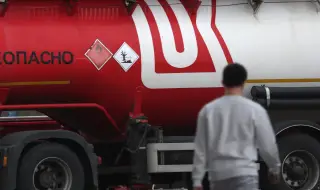
In the fourth year of the war, Russia's revenues from fossil fuel exports have fallen significantly. According to data from the Finnish think tank CREA, they were around 193 billion euros last year, ARD writes.
Exports to the EU, India and China are declining
The decline is 19 percent compared to the previous year, and compared to the time before the war - as much as 27 percent, the German public media reported. Over the past 12 months, imports of Russian fuels into the EU have shrunk particularly sharply - by 36 percent to 14.5 billion euros. However, the same trend is evident for Russia's two largest oil importers: fuel imports from India fell by nine percent to €31.6 billion, while volumes exported to China fell by 14 percent to €43 billion.
Exports fall, price cuts grow
According to the Finnish think tank, overall fuel exports from Russia fell by 215 million tonnes, or six percent, compared to the same period last year. But revenues from oil sales fell much more, by 18 percent to €85.5 billion. It is obvious that Russia is increasingly forced to sell its fuel at large discounts, notes ARD.
EU and US sanctions are having an effect
The main reason for the decline in CREA revenues is the EU sanctions, as well as US measures against "Rosneft" and "Lukoil". It is they who have led to a significant decrease in exports to India.
US threats in the form of punitive tariffs and diplomatic tension have had only a limited impact on reducing the consumption of Russian fuel in countries such as India, China and Turkey, CREA points out. "Sanctions work where threats fail."
Hungary and Slovakia continue to import Russian oil
Why is this important - because Russia depends heavily on fuel export revenues to finance the war against Ukraine. That is, sanctions against Russian fossil fuels have great potential to weaken Russia's military ambitions. Just a year ago, CREA pointed out that the EU has currently given more money for Russian fossil fuels than for helping Ukraine, ARD recalls.
The shadow fleet remains active
At the same time, researchers say that not enough has been done to limit the activities of the Russian shadow fleet: Russia exports over a third of its fuel in this way, with supplies mainly destined for India and China. However, the number of these ships has decreased significantly - from 109 in October to 81 in January.
In early February, the EC proposed its 20th package of sanctions against Russia, which also provides for a "comprehensive ban on maritime services" for tankers carrying Russian oil on board. This ban would go far beyond the current sanctions and would seriously affect Russia's shadow fleet.
Hungary blocks new EU sanctions
These EU measures were supposed to be adopted on Monday, but Hungary's veto prevented it, the German public media reports. EU members Hungary and Slovakia continue to import Russian oil. In the first ten months of last year, quantities even increased by 11 percent compared to the previous year.
Author: Angela Göpfert (ARD)