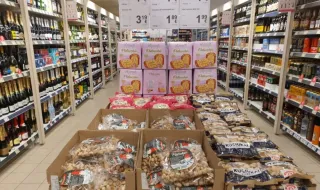
The European olive oil market is entering a new period after four years of sharp price increases. Prices for the product in the European Union increased by around 78% between 2021 and 2024, but in 2025 they recorded their first annual decline in four years – nearly 23%.
The sharpest drop was recorded in Spain, where prices fell by 38.9%. The country is the largest producer in the EU and its output in the new campaign exceeded 1.5 million tons. At the end of August, there were also about 400,000 tonnes of transitional stocks.
More production after drought
The turnaround follows two seasons of poor yields, mainly caused by extreme heat and a prolonged drought in the Mediterranean. EU olive oil production fell by 39% in the 2022/2023 season - to 1.39 million tonnes compared to 2.27 million tonnes a year earlier.
The shortage then led to a sharp rise in prices. In the period 2021-2024, the annual price increases were 4.1%, 14.5%, 34.4% and 32.2%, respectively. However, high prices have reduced demand and have directed some households to other vegetable oils.
Production is now recovering simultaneously in several of the leading countries. The expected new harvest in Greece is between 300,000 and 330,000 tons, while significant quantities from the previous campaign are still in storage. Some producers and cooperatives have held back production in the hope of selling it at prices above 4.50 euros per kilogram.
The purchase price is now below 4 euros
The purchase price of extra virgin olive oil is now between 3.70 and 3.90 euros per kilogram. It is expected to fall to around 3.50 euros per kilogram - significantly below the peak of 9 euros per kilogram recorded during the crisis.
Lower quotes do not automatically mean relief for producers. The costs of growing olives, irrigation, energy and harvesting remain high, which reduces farm margins.
Lower revenues from Greek exports
The pressure is also visible in Greek foreign trade. According to data from the Panhellenic Exporters Association, the value of exports in the category of “oils and fats“ decreased by 19.3% in the first eight months of 2026 - from 706 million euros to 569.9 million euros.
In August alone, the decline was 26.6%. The physical volume of exported production remained stable, but the decline in the price of the raw material reduced exporters' revenues. At present, market expectations do not indicate a quick reversal of this trend.
Sources: money.bg, cibum.gr, es.euronews.com