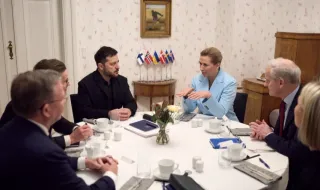
Ukraine is intensifying its diplomatic contacts with European countries against the backdrop of Russian escalation, strikes on energy infrastructure and ongoing disputes over the situation on the front. In Copenhagen, President Volodymyr Zelensky spoke with the prime ministers of Denmark, Iceland, Norway, Finland and Sweden.
According to the Ukrainian presidency, the discussions focused on the diplomatic process, preparations for the next steps and the results of the talks in Abu Dhabi. “The common position is clear: Europe must be present at the negotiating table,” the Ukrainian presidency said.
Zelensky also briefed the northern European leaders on the consequences of Russian strikes on Ukraine’s energy sector. According to him, hundreds of thousands of families are experiencing power outages every day, with the situation being most severe in Kyiv, Dnipropetrovsk and Chernihiv regions. There are also persistent problems in Donetsk, Sumy, Kharkiv and Zaporizhzhia regions.
Kyiv requested more assistance from the G7
In Paris, Foreign Minister Andrii Sybiha discussed Ukraine’s immediate needs with his G7 counterparts. The priorities identified included strengthening air defense, additional energy assistance, securing sufficient funding and imposing new sanctions against Russia.
Sybiha also called for restrictions against Russia’s shadow fleet, as well as bans on the entry of Russian citizens. The meeting also addressed global food security and Kyiv’s proposals to restore freedom of navigation in the Black Sea.
The Ukrainian minister said that easing sports sanctions against Russia and Belarus was unacceptable while the war continued. He stressed the need for G7 unity and for action to force Moscow to end the war.
Dispute over control of territories in Donbas
Zelensky said that the Russian side was presenting the occupied territories as larger than they actually were. According to him, Russian military personnel and intelligence officers had claimed that they controlled half of a territory in Donbas that Kyiv said remained under Ukrainian control.
The president said that the Ukrainian side had rejected the claim with video footage from the area. According to him, NATO’s Supreme Allied Commander Europe, Alexus Grynkewich, had confirmed that the Ukrainian map of the fighting was closer to the actual situation.
Air raid alert in Latvia
Against this backdrop, an air raid alert was declared in parts of Latvia on the night of November 11 due to a possible threat in the airspace. Alerts were issued in several areas, including Ludza, Augšdaugava, Krāslava, Smiltene, Gulbene and Cēsis.
In Smiltene, Gulbene and Madona municipalities, the threat level was raised from yellow to orange. Latvia’s armed forces called on citizens to remain indoors, follow the “two walls” rule and monitor official announcements. Drone interception units and air defense forces were placed on alert.
Sources: pravda.com.ua