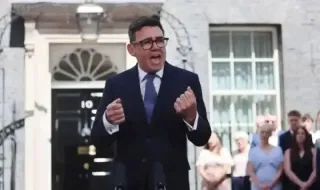
The United Kingdom has lost more than it has gained over the past 10 years since Brexit, British Prime Minister Andy Burnham said. He accused the Conservative Party of leading the country to a “harder Brexit” than voters had expected in 2016 and of having “burned all bridges” with the European Union.
Burnham was speaking at the Welsh Labour Party conference in Llandudno on Saturday, 14 November. “I think that over the past 10 years we have lost more than we have gained,” he said. According to him, previous Conservative governments severed ties with Brussels in a way that limited opportunities for trade and cooperation.
Meeting with the EU in Brussels on 20 November
Burnham is expected to meet representatives of the European Union in Brussels on 20 November. The talks will address possible arrangements concerning food and agriculture, emissions trading and a youth mobility scheme.
The prime minister said that an agreement on food and agriculture could reduce bureaucracy for British exporters and lower food prices. He identified Welsh farmers, seafood producers and lamb exporters as potential beneficiaries. According to him, the arrangements could add up to 0.4 per cent to the UK’s gross domestic product.
“We must be ready to make difficult decisions to reduce the cost of living,” Burnham said. He presented closer ties with the EU as part of measures to limit costs for households and businesses, rather than as an attempt to immediately return the country to the European Union.
Voters will decide the direction
Burnham said that after the summit, the government would explore options for various long-term relationships with Brussels. His latest statements have raised questions about whether London could discuss returning to the single market, the customs union or free movement.
The prime minister, however, stressed that any change would depend on voters. He said the government would adhere to the Labour Party’s programme red lines, which rule out returning to the single market, the customs union and free movement, as well as respect the result of the 2016 referendum.
Sources: theguardian.com, the-independent.com, lbc.co.uk