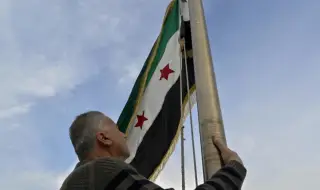
UN sanctions monitors this year have not established "active links" between "Al Qaeda" and the Islamist group that led Syria's interim government, according to an unpublished UN report cited by Reuters and BTA.
The report, which is expected to be officially published later this month, is likely to support the expected pressure from the United States to lift UN sanctions against Syria, the agency notes.
The "Hayat Tahrir al-Sham" (HTS) group is a former branch of "Al Qaeda" in Syria, but broke away from it in 2016. The movement, formerly known as the "Al-Nusra Front", led the uprising that toppled Syrian President Bashar al-Assad in a lightning offensive in December, and HTS leader Ahmed al-Sharaa became the country's interim president.
The report comes as diplomats expect the United States to ask the United Nations to lift sanctions against HTS and Sharaa, who has said he wants to build an inclusive and democratic Syria.
"Many people at the tactical level have more extreme views than Sharaa and Interior Minister Anas Khattab, who are generally seen as more pragmatic than ideological (motivated)", the UN report said. It covers observations for the past six months to June 22 and relies on input and assessments from UN member states, Reuters notes.
HTS has been subject to UN sanctions since May 2014, including a global asset freeze and an arms embargo. Sanctions have also been imposed on many members of the group, including travel bans and asset freezes, including Shaaraa, who was sanctioned in July 2013.
In May, US President Donald Trump announced a major shift in US policy, saying he was lifting sanctions on Syria. He signed an executive order in late June, and this week Washington removed HTS from a list of terrorist organizations.
Diplomats, aid groups and regional analysts have said lifting sanctions would help rebuild Syria's shattered economy, steer the country away from authoritarianism and reduce the appeal of radical groups.
Trump and his advisers have added that lifting the measures serves American interests by opening up opportunities for American businesses to counter Iranian and Russian influence.
But Washington faces diplomatic hurdles because the plan to lift sanctions must be backed by the Security Council, where Russia - an ally of Assad - and China have veto power, diplomats said.