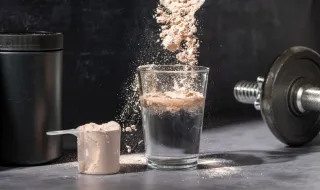
Protein powder has long ceased to be a supplement only for bodybuilders. Whey, soy, pea or other plant-based protein is used after a workout, at breakfast or simply as a convenient way to increase your daily protein intake.
However, with its popularity, a number of myths have spread. These include claims that protein should be consumed within 30 minutes of a workout, that the body cannot absorb more than 20-30 grams at a time, or that high intakes are bound to damage the kidneys.
Fitness instructor Bhavna Harchandrai explains which of the most common claims about protein powder are not based on scientific data.
11 myths about protein powder
Myth: Protein should be consumed within 30 minutes of a workout.
The so-called “anabolic window“ is not that short. Consuming protein after strength training supports recovery and muscle protein synthesis, but you don't necessarily need to drink a shake right after your last set. If you ate before or shortly after your workout and have a protein-rich meal coming up, the urgency is even less. What is more important is getting enough total protein throughout the day.
Myth: The body can only absorb a maximum of 20-30 g of protein per meal.
The human body can digest and absorb significantly more. The numbers 20-30 g usually refer to the amount that can strongly stimulate muscle protein synthesis under certain conditions, not the maximum amount that the body is able to absorb. The remaining amino acids can be used for a number of other physiological processes.
Myth: More protein necessarily damages the kidneys.
In healthy people, there is no convincing evidence that higher protein intake by itself causes kidney damage. The situation is different for people with established kidney disease, in whom the amount of protein should be determined individually by a doctor or dietitian.
Myth: Protein powder is almost like steroids.
The two have nothing in common. Protein powder is a concentrated dietary source of protein. Whey protein is obtained from milk, while plant-based variants can be made from peas, soy, rice, and other sources. Anabolic-androgenic steroids are pharmacological substances that affect the hormonal system.
Myth: Plant-based protein is always worse than whey.
Whey protein is a complete source of protein and is rich in leucine, which plays an important role in stimulating muscle protein synthesis. Some plant sources contain lower amounts of certain essential amino acids, but well-formulated plant protein blends can provide a quality amino acid profile. The total amount of protein, the dosage, and the diet also matter.
Myth: There's no point in protein powder if you don't exercise.
Protein powder is simply a convenient food product. It can be useful for people who have difficulty getting the necessary amount of protein from their usual diet. For active athletes, and especially during strength training, the needs are usually higher.
Myth: The combination of protein and creatine is harmful.
Protein and creatine have different functions and can be taken together. Protein supplies amino acids for tissue repair and building, while creatine monohydrate supports rapid energy production during high-intensity exercise. In case of kidney or other chronic diseases, the use of nutritional supplements should be discussed with a doctor.
Myth: Protein powder dehydrates the body.
There is no reason to believe that normal protein intake automatically leads to dehydration in a healthy person. However, sufficient fluid intake remains important, especially during intense training, heavy sweating and high temperatures.
Myth: High protein intake weakens bones.
Sufficient protein is actually important for both the muscular and skeletal systems. Higher intake may increase the excretion of calcium in the urine, but this in itself does not mean loss of bone mass. A balanced diet and adequate calcium and vitamin D intake are important.
Myth: Whey protein causes acne.
Not everyone. Some people report worsening acne when using whey protein, but the response is individual. A 2024 randomized controlled trial in young men with mild to moderate acne found no worsening after six months of whey protein supplementation compared to a non-whey supplement. If there is a clear link between intake and skin problems, switching to a plant-based protein may be considered.
Myth: Protein powder makes women too muscular.
Protein alone cannot lead to sudden gains in muscle mass. Significant hypertrophy requires sustained strength training, proper nutrition and time, and results also depend on genetics, training volume and total calorie intake.
For women, adequate protein intake helps restore, preserve and build muscle mass and maintain good body composition, without automatically leading to an “overly muscular” figure.
Protein powder is not mandatory for achieving good fitness results. It is primarily a convenient way to supplement the diet when the necessary amount of protein is difficult to achieve through meat, fish, eggs, dairy products, legumes and other whole foods.