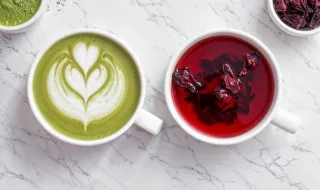
Green tea is often presented as the undisputed leader among antioxidant drinks. In practice, however, there is no universal ranking because the results depend on the variety, processing, preparation method, and laboratory method. Some studies have found higher activity in other drinks, while when comparing equal portions, green tea may perform better than coffee.
Antioxidants are compounds that participate in the regulation of oxidative processes in the body. The National Center for Complementary and Integrative Health warns: „Large amounts of antioxidants are not always beneficial.“ Therefore, the presence of polyphenols in a drink does not automatically mean proven protection against aging, cancer, or chronic disease.
Pomegranate juice is the strongest contender
Among the most frequently cited alternatives is pure pomegranate juice. A study published in the Journal of Agricultural and Food Chemistry compared pomegranate juices with red wine and green tea infusion. In commercial juices, the antioxidant activity was about three times higher than that of green tea when the method used was used.
However, the result does not automatically apply to every product. The authors found significant amounts of punicalagins - tannins that are also contained in the skin of the fruit. In juices obtained only from the seed part, the values are lower. This means that the production technology is of great importance.
Coffee and Matcha
Coffee is one of the main sources of polyphenols in the diet. Chlorogenic acids predominate in it, and the amount of active compounds depends on the variety, roasting and preparation method. It is important to note that a 2022 study comparing equal portions of coffee and tea reported the highest antioxidant activity in green tea among the drinks tested. Therefore, the claim that any coffee is superior to green tea is not supported by all the data.
Matcha is different from standard tea infusion because the entire ground leaf is consumed. Thus, the drink provides catechins, including epigallocatechin gallate, in an amount that may be higher than that of regular green tea. Matcha, however, is not a drink outside the category of green tea, but a variety of it.
Wild Blueberries and Hibiscus
Wild blueberry juice contains anthocyanins, pigments associated with the color of the fruit and with studies on vascular function and memory. A 2024 systematic review of 20 studies found evidence of possible improvement in some memory measures, but results for blood pressure and blood vessel function were inconsistent.
A more recent meta-analysis from 2026 included 14 randomized trials with 632 participants. It reported improvements in vascular function in healthy people, but did not find convincing improvements in cognitive abilities. In addition, some of the studies used powder or concentrate, rather than plain juice.
Hibiscus tea contains anthocyanins, organic acids, and other polyphenols. A meta-analysis of 13 randomized trials with 1,205 participants found an average reduction in blood pressure compared to placebo in people with mild to moderate hypertension. The effect has not been proven to be stronger than that of drugs, and the data do not mean that the drink can replace prescribed treatment.
Thus, the five drinks can be part of a varied diet, but they should not be perceived as “immunostimulants“ or as a stand-alone remedy against diseases. The safest conclusion from the studies is that the content of antioxidant compounds varies greatly, and laboratory activity does not equal a proven therapeutic effect in humans.
Sources: Healthline