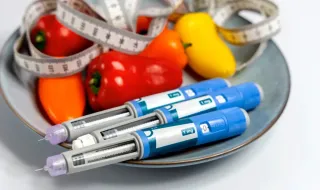
Weight-loss medications may be associated with insufficient intake of essential nutrients because they suppress appetite and reduce the amount of food consumed. This is shown by a small study conducted by researchers from Oxford and published in BMJ Nutrition, Prevention & Health. Most of the 14 participants had used Mounjaro, while the group also included people taking other medications such as Wegovy.
The participants recorded their food intake in diaries, after which the researchers calculated their intake of 28 nutrients. On average, people consumed 1,231 calories per day, compared with an estimated requirement of 2,100 calories to maintain their weight. Three consumed fewer than 800 calories per day, while the lowest reported average intake was 541 calories.
The researchers defined insufficient intake as less than two-thirds of the recommended amount for the respective sex. Fibre was the most serious problem. In 85.7 per cent of participants, intake was below the threshold, while the average amount reached only 43 per cent of the recommendation. Fibre supports the digestive system and is associated with a lower risk of constipation, cardiovascular disease, stroke and colon cancer.
Deficiencies of vitamin D, iron and minerals
Almost 80 per cent of participants consumed insufficient vitamin D through their diet. However, the data did not include the amount the body may produce through exposure to sunlight. The vitamin is important for bones, teeth and muscles.
Half of the group failed to reach the recommended iron intake. Iron is necessary for the formation of red blood cells, which carry oxygen throughout the body. Insufficient intake may be associated with anaemia, fatigue and shortness of breath, but the study did not establish whether any of the participants had such a diagnosis.
More than one quarter of the participants had an insufficient intake of magnesium, while around two in five failed to reach the recommended amount of potassium. Magnesium contributes to the normal functioning of the muscles and nervous system, while potassium helps regulate blood pressure and muscle function.
Protein was the only one of the six nutrients examined for which no widespread insufficient intake was found. Only one participant was below the defined threshold, while the group’s average intake was around 150 per cent of the recommended amount.
Dietitian: Every bite should have nutritional value
Dietitian Nicola Ludlam-Raine recommends that people using weight-loss medications focus on nutritional value rather than simply reducing portion sizes.
„My advice is always to make every bite count by prioritising protein, fibre and a variety of nutrient-rich foods, rather than simply eating less“, says Ludlam-Raine.
Among the sources of fibre she lists are oats, whole grains, fruit, vegetables, beans, lentils, nuts and seeds. Oily fish, eggs and fortified foods can contribute to vitamin D intake. Suitable sources of iron include lean red meat, legumes, tofu, fortified breakfast cereals and dark green vegetables.
The authors emphasise that the results do not prove laboratory-confirmed nutritional deficiencies. The data were based on self-reported food diaries rather than blood tests. In addition, the study was observational, involved only 14 people and cannot establish whether the medications were the direct cause of the insufficient intake.
Eight of the participants were below the threshold for at least three of the six nutrients. The person who consumed an average of 541 calories per day did not reach the threshold for any of them. According to the researchers, this points to possible gaps in nutritional monitoring among people taking weight-loss medications.