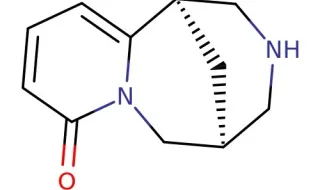
In 1964, the world’s first cytisine tablets were produced in Sofia. Six decades later, the substance developed by Bulgarian scientists is among the recommended options for smoking cessation, and its history has once again attracted attention through an account by Prof. Dr. Sotir Marchev.
“Just taking tablets is not enough. For someone to quit smoking permanently, they must be psychologically ready to make that decision,” says the cardiologist.
How the Bulgarian Development Began
Cytisine is an alkaloid derived from the yellow acacia, also known as golden rain. In 1953, Prof. Dimitar Paskov and Dr. Hristo Dobrev began developing it as a means of reducing nicotine cravings after quitting smoking.
In 1961, pharmacist Strashimir Ingilizov created a technology for extracting the substance from the plant’s seeds. A year later, Prof. Isaev brought the process to the production stage, and in 1964 the first tablets were manufactured at the Chemical and Pharmaceutical Plant in Sofia. They were distributed in Bulgaria and other countries of the former socialist bloc under various brand names.
The history has also been confirmed in medical publications, according to which cytisine was launched on the Bulgarian market in 1964, while the first clinical studies on smoking cessation began soon afterward.
From a Regional Drug to a WHO Recommendation
For a long time, cytisine remained known mainly in Eastern Europe. In 2014, a study published in the “New England Journal of Medicine” compared cytisine with nicotine replacement therapy. Since then, interest in the substance has expanded beyond the region.
The World Health Organization includes cytisine among the pharmacological options for adult smokers who want to quit. In 2025, the organization’s Expert Committee recommended its inclusion in the core Model List of Essential Medicines.
The United Kingdom also changed its recommendations. On February 4, 2025, NICE included cytisinicline among the medicinal options for smoking cessation and recommended that it be used together with behavioral support. The institute noted that the evidence ranges from moderate to very low quality, but the results indicate a higher likelihood of quitting compared with placebo or nicotine replacement therapy.
U.S. Approval Delayed
In the interview, Prof. Marchev said that cytisine is expected to reach the U.S. market in 2027. In the meantime, the procedure has been delayed. In June 2026, the FDA issued a complete response letter regarding the application for cytisinicline and did not approve the drug in the form in which it was submitted.
According to the FDA, the problems are related to manufacturing deficiencies at an external manufacturer’s facility and an incomplete label review. No shortcomings were identified regarding clinical efficacy or safety. The company plans to submit a new application in the fourth quarter of 2026, with potential approval still possible in the first half of 2027.
Thus, the Bulgarian development has become part of the international conversation on smoking cessation, but its path to the global market continues to depend not only on medical data, but also on regulatory manufacturing requirements.
Sources: 24chasa.bg, investing.com