


Diverticulosis is one of the “silent“ conditions of modern society, which often goes unnoticed until it becomes inflamed. What to do… Dr. Petar Kanev, a gastroenterologist at the “St. Caridad“ Hospital, speaks to FACTI.
- Dr. Kanev, let's explain what diverticulitis is. What are diverticula of the colon…
- Imagine the colon as a muscular tube. Over the years, due to increased pressure inside it, the mucosa (the inner lining of the intestine) can “fall“ through weak spots in the muscle layer, forming small bags or pockets similar to bubbles. These pockets are called diverticula. While they simply exist, the condition is diverticulosis. However, when fecal matter is retained in these pockets, infection and inflammation occur, we are talking about diverticulitis.
- What discomfort does the disease cause?
- Symptoms depend on whether we have the simple presence of pockets or active inflammation:
• In diverticulosis: It often occurs without symptoms or with slight swelling and a change in the rhythm of defecation (constipation or diarrhea).
• In acute diverticulitis: The pain is leading - usually strong, cutting and localized in the lower left part of the abdomen (since they are most often found on the left, but it is possible to localize on the right). It may be accompanied by high fever, nausea and a very tender abdomen when touched.
- Is there a certain age when it is more common?
- This is a disease associated with the aging of tissues. Over 50% of people over 60 have diverticula. But unfortunately, in my practice I see more and more young patients (under 40), which is attributed to lifestyle and nutrition. They are considered to be a projection of connective tissue weakness and are likely related to constipation and low fiber intake (the so-called loose diet).
- Do men or women suffer more from diverticulitis?
- Statistically, there is no huge difference, but there is a trend: in younger patients (under 50), men are more likely to get sick, while in older patients the frequency is higher in women.
- Is there a hereditary element in the development of the disease?
- Yes, genetics play a role. If your parents had severe forms of diverticulitis, your risk is higher, since the structure of the connective tissue is inherited.
- What is the food factor in leading to an irritated colon? What is good to eat and what - not, with diverticulitis?
- Diverticula appear mostly due to a diet low in fiber, which leads to constipation and high pressure in the intestine. In the past, it was believed that food for diverticulosis should be low in fiber and free of nuts and seeds, but this theory has been disproven. Reducing fiber is only recommended for severe flare-ups, when a zero-diet and antibiotic treatment may be necessary. Outside of these flare-ups, fiber intake is thought to even reduce the risk of inflammation.
FOOD FOR DAILY PREVENTION (HIGH FIBER CONTENT):
• Legumes: Lentils, chickpeas, beans, peas (the best sources of fiber)
• Whole grains: Brown rice, quinoa, oatmeal, whole grain bread and pasta
• Vegetables: Broccoli, carrots, zucchini, spinach and cauliflower (preferably cooked or steamed for sensitive stomachs)
• Fruits: Apples and pears (with peel), berries (raspberries, blackberries), bananas.
• Fluids: Minimum 1.5 – 2 liters of water per day. Fiber needs water to pass through the intestines easily!
FOODS TO LIMIT (TO REDUCE RISK):
• Red meat: Beef, pork and lamb (associated with a higher risk of inflammation)
• Processed meats: Sausages, hot dogs, smoked meats
• Refined carbohydrates: White bread, white flour pasta, sugary products
• Fried foods: They slow down digestion and put a strain on the gastrointestinal tract
- What to do in an acute crisis?
- In case of pain and inflammation, the diet changes abruptly! You will be switched to a low-residue (low-fiber) or liquid diet (clear broths, pulp-free juices) until the doctor confirms that the inflammation has subsided.
- When is surgery necessary?
- Most cases are successfully treated with antibiotics and diet. Surgery is required for complications:
- Perforation - when the pocket bursts and the contents leak into the abdominal cavity (peritonitis)
- Abscess - a collection of pus (over 3cm in size) that does not respond to medication
- Strictures - a narrowing of the intestine from frequent inflammation, leading to obstruction
-- recurrent crises - when the quality of life is severely impaired and the patient is inclined to surgical intervention.
- Why is screening mandatory?
- This is the question that I want everyone to remember. Diverticula themselves are not cancer, but they are located in the colon - the place where colorectal cancer develops. The symptoms of diverticulitis and polyps or tumors often overlap (pain, change in bowel habits, bleeding). Colonoscopy after the age of 45 is the gold standard for screening for colon cancer. It allows us to see “from the inside” whether it is benign pockets or something more serious that we can remove in time.

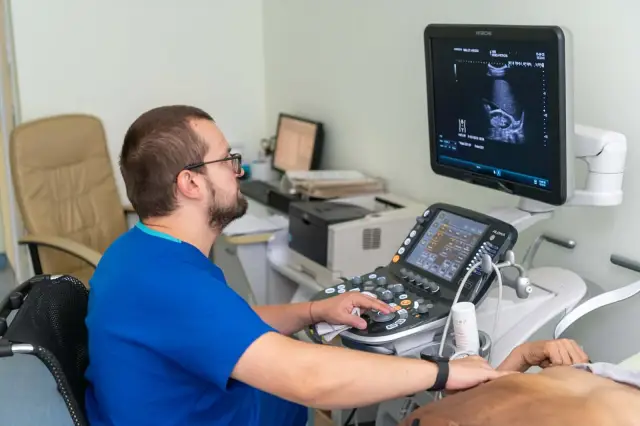
What are diverticula of the colon… Dr. Petar Kanev speaks to FACTI
The symptoms of diverticulitis and polyps or tumors often overlap, says the gastroenterologist
Feb 27, 2026 13:08 707
