


On February 13, TravelX2026 – a conference dedicated to the transformation of the tourism sector, sustainable practices and new models for travel and accommodation will be held. The event will bring together experts and entrepreneurs who are actively involved in the development of alternative tourism in Bulgaria. Information site FACTI is a media partner of the event.
Among the speakers at the conference is Nikolay Nekov – an entrepreneur and expert in the field of alternative accommodation models, with a focus on camping tourism, caravans and experiences close to nature. In an interview for FAKTİ he comments on how this segment is developing in our country, what investments are behind the new forms of accommodation and what challenges entrepreneurs face. According to him, it is the search for authenticity, flexibility and sustainability that is changing the way people travel and choose where to stay.
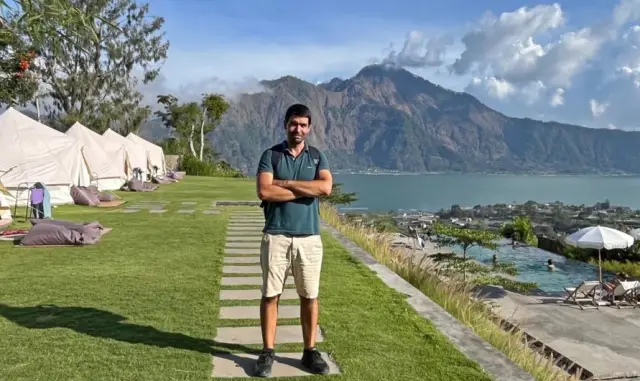
Mr. Nekov, what are the trends in recent years towards new places of accommodation?
In recent years, especially around and after Covid-19, a clear and sustainable change has been observed in the way people travel. More and more tourists are looking for proximity to nature, silence and a sense of space - a trend that is global and long-term.
Today, location and views are often more important than a number of other amenities. People are increasingly prioritizing places that offer a good mix of experiences and entertainment in the area - beaches, routes, activities, local culture. In parallel, another trend is developing - the number of people looking for a secluded place in nature is growing, without expecting to be close to a specific landmark or tourist attraction.
Bulgarians are traveling more and more and comparing local projects with good examples around the world, which increases the requirements for design, comfort and overall experience. This has opened up serious opportunities for alternative forms of accommodation - campsites, caravans, bungalows and small houses that combine comfort with a direct connection to nature.
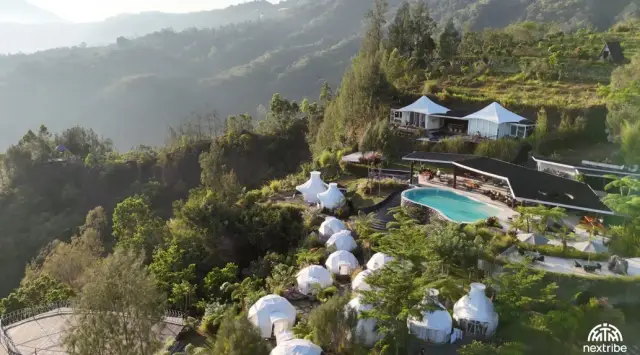
In the coastal area, signs of saturation are already being observed and clients are becoming increasingly picky, while inland, the potential is still being unlocked. It is there that alternative models will play a key role in the future development of tourism.
What are the investments being made?
In recent years, investments in caravans, campers and bungalows for rent have been significant. Many people chose to start with single sites in already developed campsites, mainly on the Black Sea coast, because this allows for faster implementation and lower initial risk.
For us, it all started 7-8 years ago with one caravan for personal use and rental. The very next year, we invested in two more, but relatively quickly we realized that the greater value is not in the number of sites, but in the overall model and management. So we focused our efforts on building a digital platform and ecosystem around this type of accommodation.
To this day, individual investments are the most common, but they also depend on the specific location and campsite. In parallel, the sector is now attracting larger investors – including high-end projects in the Chernomorets and Lozenets regions.
Interest is growing, but the implementation of such projects requires serious know-how, a team and long-term management. That is why in recent years we have been working actively with over 200 accommodation owners and building this foundation - step by step, with trust from the market. And we are already building a complete ecosystem for creating such projects.
Problems facing alternative accommodation models?
Every new opportunity comes with challenges, and in this sector they are several key ones.
First - a clear concept and a sustainable business model.
Many people start with architecture and construction without having a clear positioning and financial framework. The lack of a distinctive concept and a realistic business plan often leads to projects that struggle to compete in the market.
Second – the overall experience.
People don’t choose a place just for the bed, but for the feeling. This means a well-chosen mix of experiences, partnerships and activities around accommodation. Building such an ecosystem requires time, resources and experience, which makes the task difficult for individual investors.
Third – professional management.
The shortage of personnel and know-how in tourism is a serious problem. In the smaller scale of alternative projects, this is felt even more strongly. That is why we have invested in building more autonomous and effective management models that will reduce dependence on personnel and increase sustainability.
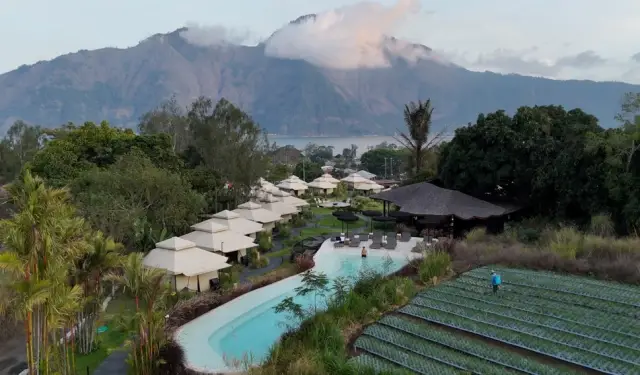
What experience can we draw from abroad and from where?
The leading markets in this sector are the USA and Western Europe. In the USA, the model is already highly developed - at the end of last year, Marriott acquired one of the largest operators of bungalows in nature. In Europe, good and sustainable examples come from France, the Netherlands, England and Austria, and in the region, Croatia has established itself as a leader.
The common denominator among successful models is that they are not developed as isolated projects, but as part of comprehensive regional development strategies. At the macro level, this means coordination between municipalities, investors, event organizers, NGOs and local communities. It is gratifying that there are already successful examples in this direction in Bulgaria.
This approach also has a very clear micro application. Abroad, we have seen successful smaller projects - for example, eco or bamboo villages - where the owner of the terrain, the investor, the location management, tour agencies and event organizers work together to constantly improve the experience and employment.
Another key element is transport connectivity. There is an increasing focus on investing in alternatives to private car travel – rail, shared and electric transport – making destinations more accessible and sustainable.
These lessons show that sustainable tourism is built through partnerships and long-term thinking – whether it is for an entire region or a well-structured project in nature.
Increasingly closer to nature – how can we promote Bulgarian nature through alternative accommodation methods?
Alternative models are one of the most powerful tools for positioning Bulgaria to an international audience. In many markets, people are already looking for such places and are tired of the standard hotel experience.
Bulgaria is still heavily dominated by hotel accommodation, but it has exceptional nature and diversity. If we can combine accommodation, experiences and professional management, we can offer a very competitive product.
The combination of nature, cultural and historical heritage, SPA, wine, agro and spiritual tourism has enormous potential. It is no coincidence that even international companies and airlines are already showing interest in such models - a sign that Bulgaria has a real chance to position itself much stronger on the map of alternative tourism.
Detailed statistics on average property prices in Bulgaria by city and neighborhood can be seen at imot.bg