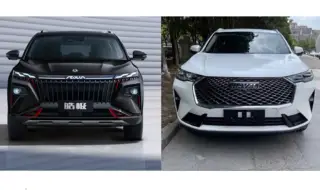
The entry of Chinese cars into the global market is a real revolution, but not all representatives of the East are prepared for the harsh climatic tests. A new large-scale market study sheds light on one of the biggest fears of buyers - the resistance of sheet metal to – the unforgiving "rust". It turns out that in some budget and less popular models, corrosion protection is almost symbolic, which can drastically shorten their life.
At the top of the list of the most vulnerable cars is the GAC GS4
In it, experts found an alarming lack of a complete zinc coating of the body, which leaves the metal practically defenseless against moisture and lye on the roads. The situation is similar with the Jetta VS7. Although the model has individual galvanized details, a large part of its body remains without specialized anti-corrosion treatment, which often requires owners to invest in additional protective layers immediately after purchase.
Problems with the "brown plague" are also observed in brands such as Lixiang, Lifan and Dongfeng
The mass absence of a full galvanic coating in these brands makes them an easy target for external aggressors. Analysts point out that in some Chinese vehicles the paint is too thin and wears out prematurely, and areas such as the bottom and fenders are often completely ignored by protective compounds during production.
Despite these negative examples, the industry in China does not stand still. The technological leap is visible in leading manufacturers such as Tank, Great Wall, Haval, Geely, FAW, Omoda, Changan, Exeed and Chery
Their current models demonstrate high-quality anti-corrosion preparation, which is much more adequate to European and Nordic standards. Ultimately, the condition of the paint and protection of the metal not only extend the life of the car, but are also a key factor in maintaining its market price after years of operation.