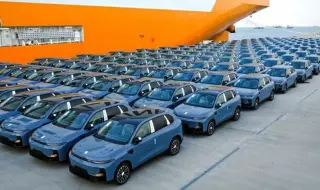
Brussels is about to make a sharp turn in its trade strategy towards Beijing, which could redraw the maps of the electric vehicle market as early as this year. After months of bitter disputes and punitive levies, the European Commission is considering consigning to history the additional tariffs, which in some places reached the "salty" 45%. Instead, however, a new control mechanism appears on the horizon that promises to keep the prices of Chinese vehicles artificially high.
Instead of directly taxing imports, the EU plans to impose a strict "price threshold" on every model coming from the East. The idea is simple but effective – Chinese giants will be forced to sell their electric vehicles at prices that exclude the effect of state subsidies in their homeland. Oh, how ironic - tariffs may be eliminated on paper, but for the end user in Sofia, Paris or Berlin, cheap Chinese batteries on wheels simply will not be available. This move aims to kill two birds with one stone: to stop dumping and at the same time to appease Beijing's anger. Behind closed doors in Brussels, there is talk that this compromise is vital to stopping the brewing trade war. Let's not forget that China has already begun to "show its teeth", hitting European exports of dairy products, pork and French cognac. With the new formula, brands like BYD and Chery will be able to operate more calmly, as long as they do not undercut the market, and European manufacturers will take a break from the threat of retaliatory measures in other economic sectors.
The situation so far has been a real paradox that has also hit “our”. The EU's hard line forced brands like Volvo to make complex and expensive logistical maneuvers, transferring production of the hit EX30 from China to Belgium to avoid punitive taxes. Now, with the introduction of minimum prices, Brussels hopes to create a more predictable environment in which investments in local factories will weigh more than simply transferring goods across the ocean.
Despite all the administrative barriers, the Chinese invasion is a fact and the numbers are relentless. In just one year, their market share in Europe jumped from a modest 2.5% to a solid 7% by the end of 2025. In the UK, the statistics are even more impressive - one in ten new cars is now of Chinese origin. And while pure electric vehicles were under fire from tariffs, hybrids flew past regulations and literally took over car dealerships. One thing is clear: the great battle for the European buyer is only now entering its decisive phase.