The German giant Volkswagen is taking a radical strategic turn in China, betting everything on the stakes to regain its crown in the world's most dynamic market. The key to this revival lies in the new technological architecture CEA (China Electronic Architecture), which promises to turn the cumbersome process of creating new cars into a lightning-fast and cost-effective operation. By 2030, almost the entire range of the brand produced in the Celestial Empire will be "redesigned" to this new standard, which is faster, cheaper and, frankly, vital for the survival of the concern in the region.
While Western technologies dictated the rules until recently, today local Chinese players are advancing so aggressively that Wolfsburg had to act immediately. Originally conceived in partnership with the innovators at XPeng, today the CEA platform is now fully under the wing of Volkswagen. The math behind this decision is staggering: the new architecture allows for a reduction in development time by as much as 30%, while production costs fall by an impressive 40% compared to the previous MEB platform. In the mass-market car segment, where every euro (or yuan) counts, this is a real "game changer".
Instead of waiting for approval for every nut from the headquarters in Germany, the engineers at the research center in Hefei now have unprecedented freedom. There, nearly 850 specialists, mainly local staff, are forging the future of the brand in a specialized laboratory. This decentralization is not just an administrative move, but an acknowledgement that the Chinese consumer lives at a higher speed. When you want to keep up with the pace of Beijing and Shanghai, you don't have time for bureaucratic obstacles and long decision-making chains.
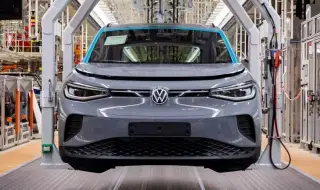
The first swallow of this technological spring is already a fact - at the end of last year, the electric SUV ID.07, which proudly carries the genes of CEA, left the assembly lines. But this is just the beginning. In 2026, we expect four more new additions, and next year the expansion will unfold with ten more models. The curious thing is that the software-oriented ecosystem will not be reserved only for electric vehicles. Volkswagen plans to integrate the intelligent architecture into selected models with internal combustion engines, creating a homogeneous and modern range.
Although Volkswagen and XPeng have already parted ways with regard to CEA, the Germans are adamant that they have learned their lesson. Now they are going it alone, trying to find the perfect balance between Chinese flexibility and the famous German precision. Will this technological leap be enough to stop ambitious local brands? We have yet to find out, but one thing is certain - Volkswagen is no longer just following events, but trying to dictate the rules of the game.