Hyundai's ambitions to establish itself as an uncompromising leader in terms of quality and technology have suffered a serious setback again. The South Korean automaker has been forced to urgently launch three large-scale and completely independent service campaigns, covering an impressive 424,743 vehicles. The problems are so diverse that they seem like a real quality control nightmare - the blunders range from software absurdities in the latest models to potentially deadly components in older ones and affect everything from affordable sedans to expensive electric flagships. The news emerged in the media thanks to the American automotive publication Carscoops.
The most shocking defect from a safety perspective brings back dark memories of the Takata airbag scandal. This time, 3,493 Elantra sedans manufactured in the 2015-2016 period are under the spotlight. It turns out that the pyrotechnic cartridges in the front airbags, supplied by ARC Automotive, are of excessive density. In an accident, the pressure increases so critically that the metal casing of the detonator literally bursts, shooting sharp shrapnel straight into the faces of the driver and passengers. Such a time bomb in the passenger compartment is the last thing one expects from a family car. Fortunately, no deaths have been recorded so far, and the free replacement of dangerous parts will start in mid-summer.
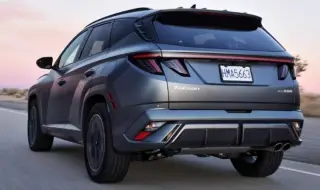
However, the true scale of the service campaign shines through in the second campaign, which affects a colossal 421,078 crossovers of the Tucson, Tucson Hybrid and Tucson Plug-In Hybrid models (model years 2025-2026). Here, the Koreans' modern electronics have literally "gone crazy" due to a software error. The forward collision avoidance system is so hypersensitive that it detects phantom hazards on the road and triggers brutal emergency braking for no reason in heavy traffic. After nearly 400 complaints from frightened owners and at least four confirmed accidents in which other cars crashed into the back of the suddenly stuck Korean SUVs, Hyundai has finally admitted to the problem. The solution? A software rewrite of the front camera, which will begin in July.
To top it all off, the brand's pride and joy - its innovative and expensive electric range - has also been tarnished. 172 units of the IONIQ 5 and the brand new three-row flagship IONIQ 9 models have been put under the microscope. They revealed an absurd assembly defect straight from the factory conveyor: the rear suspension fasteners simply weren't tightened properly. Over time and under the influence of vibrations, bolts and nuts can loosen completely, leading to sudden destruction of the chassis during movement and complete loss of control over the heavy electric vehicles. The report of this blunder was filed by an owner who heard a disturbing metal scraping. Although the engineering inspection shows that about 1% of these cars are actually at risk, the fact that even in flagships costing tens of thousands of euros, such banal errors are allowed during assembly, leaves a bitter taste, to say the least.