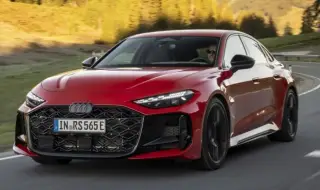
The German brand Audi has revealed deep technological secrets surrounding the birth of the next generation of high-performance machines from the RS 5 family. The big sensation here is that the iconic model takes a radical step forward, becoming the first representative of the iconic RS family in history to be equipped with a Plug-in hybrid (PHEV) drive.
This engineering challenge is the result of a large-scale, several-year international collaboration between two of the most important pillars in the brand's structure. The design and fine-tuning of the software were entrusted to the think tank at the technology center in Neckarsulm (Germany), while the heavy task of final assembly and production of the complex components fell on the shoulders of the high-tech Audi plant in the city of Győr (Hungary). The results of this German-Hungarian symbiosis are already a fact, as the new modifications of the RS 5 will officially enter the European market at the end of June, and the order configurators are already open for the most impatient fans.
The birth of this complex power unit has gone through a strict distribution of roles between the two countries, so as not to waste a single second of valuable time. The German engineers in Neckarsulm took full responsibility for the initial sketching and the heavy testing of the prototypes. The main stumbling block for the team was how to make the classic and proven 2.9-liter V6 gasoline engine with twin turbines live in perfect harmony with a powerful electric motor within the limited space under the hood. After pre-series tests proved the reliability of the concept, the baton was officially passed to the Hungarian specialists in Győr, who took over the ongoing engineering and mass production.
Despite the significant geographical distance between the two factories, the project was implemented without any communication hiccups. The key to success turned out to be the regular joint seminars and field workshops, which the teams alternated in Germany and Hungary as they moved to each subsequent stage of development. The project leaders share that the interweaving of specialists of different nationalities helped immensely, allowing the complex cases surrounding weight distribution and battery cooling to be viewed from radically different professional and cultural perspectives.
According to Audi specialists, all those sleepless nights at the drawing boards were worth it, because the final result on the asphalt is brutal, to say the least. Thanks to the electric assistance, the new Audi RS 5 generates a system output of an impressive 639 horsepower and a monstrous torque of 850 Nm, which shoots it to 100 km/h in 3.6 seconds. All this power is put on the road via the iconic quattro all-wheel drive, which debuts here with the revolutionary Dynamic Torque Control technology.
The system in question uses state-of-the-art electromechanical thrust vectoring, which literally calculates the ideal line every 5 milliseconds. The software can instantly redirect huge amounts of torque between the two rear wheels individually, providing unreal high-speed stability, surgical precision in corners, and pronounced dynamics that will make the car feel much lighter and more agile than it actually is.