When it comes to the real-world range of modern electric cars, drivers usually accept the factory catalog data with a huge dose of skepticism. That is why the traditional and extremely authoritative large-scale test organized by the Norwegian Automobile Federation (NAF) is always awaited with great interest by the industry. This time, the Scandinavian experts threw two dozen of the most current battery models on the market into the deep end to check how they perform outside of sterile laboratory conditions.
All 24 participants were subjected to an identical route under very real road conditions and moderate spring temperatures between 12 and 18 degrees Celsius. The goal? To compare real-world performance with the official indicators according to the European WLTP standard. The results published by our colleagues at Carscoops, however, managed to surprise even the biggest skeptics, as some of the cars not only reached their catalog data, but also exceeded them.
The big sensation of the test was the Chinese luxury minivan Xpeng X9. Instead of modestly capitulating to aerodynamics, the huge family cruiser covered a staggering 640 kilometers on a single charge, which is a full 11.4% more than the manufacturer's officially announced range of 580 km. The affordable city crossover Kia EV2 also recorded a serious performance (325 km against 308 km according to the passport), as well as the luxury German flagship Mercedes GLB350, which reported a positive balance of 5.3%, stopping at an altitude of 593 km.
Obviously, however, there are always two sides to the coin and there was no shortage of disappointments. The new MG IM6 performed below expectations, with its battery dying at the 446th kilometer - nearly 12% earlier than the capacity promised in the documents. The large Korean SUV Hyundai Ioniq 9 also failed to defend its honor, recording a deficit of 5.7% compared to its official 600 kilometers.
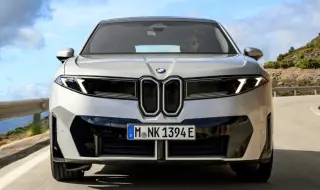
If we have to talk about absolute marathon runners in this Norwegian adventure, the title was taken by Bavarian engineering in the face of the BMW iX3, which nailed the incredible 781 kilometers of autonomy, followed closely by the American luxury Lucid Gravity with its 720 km. At the other pole, as models designed more for urban environments and shorter destinations, remained the aforementioned Korean minivan from Kia and the Asian representative Dongfeng Vigo, which bowed its head at the 348th kilometer. The conclusion from this year's marathon is clear - the era of “fear of mileage” slowly but surely becoming a thing of the past, but choosing the right model still requires careful reading between the lines.