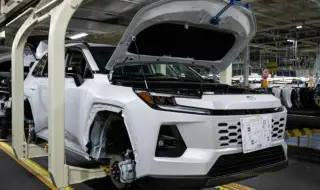
A large-scale geopolitical and economic battle is taking shape on the Old Continent, in which the stakes for the automotive sector are historic. Toyota has openly and sharply criticized the European Union's plans to introduce overly restrictive protectionist measures. According to the Japanese car giant, attempts to forcefully impose the dogma of "Made in Europe" will not cure the region's systemic problems, but quite the opposite - they threaten to isolate the local market, drive away foreign capital and seriously confuse the cards of global players.
At the epicenter of this heated debate is the so-called Industrial Accelerator Act (IAA). Its official goal seems noble - to serve as a springboard for European manufacturers in the transition to mass electrification and to break the serious dependence on China for the supply of batteries and raw materials. Brussels plans to tie state subsidies for the purchase of electric vehicles and participation in attractive public procurement for corporate fleets to the requirement that the vehicles be assembled on the territory of the union, and at least 70% of their components have a clear European origin.
However, Toyota reminds European officials of a harsh reality: the modern automotive industry has been breathing and developing for decades thanks to international market symbiosis. Overly sharp administrative borders will punish not so much Asian competitors as long-standing and proven partners of Europe. The structure of the Japanese brand is a vivid example of this - its factories in the UK and Turkey, as well as its complex logistics chains in Morocco and other regions, are deeply integrated into the European market. If these strategic areas outside the EU are artificially cut off and do not receive special status, this will throw the business into an unprecedented trade uncertainty.
The echo of the warning is clear: support for local production should in no case turn into self-isolation. The true competitiveness of European cars will not be born from the geographical address of the factory, but from free access to the most efficient global supply chains. While European authorities are trying to balance the fine line between an open market and aggressive protection from the cheap Chinese invasion, market leaders are adamant - closing the borders will simply make the final product more expensive for buyers.