Amidst the new growth in demand for electric vehicles in France, Carly, a company specializing in automotive diagnostics, has published a new report on the reliability of used electric vehicles. It analyzes the share of critical defects by brand, allowing buyers to navigate more accurately when choosing an electric vehicle on the secondary market.
Carly analysts carry out thousands of diagnostic checks in 2024 and rank brands by level of critical faults. The results are striking - the gap between leaders and outsiders is extremely large.
The absolute leader in the reliability rating is Peugeot, whose share of critical defects is only 2.32%. Toyota follows with an indicator of 6.45%, Citroen - 7.4%, Hyundai - 8.86% and Renault - 14%. These brands have had the least serious technical problems. They all take a more conservative approach to the introduction of new technologies, focusing on gradual improvements in electronics, which has a positive effect on long-term reliability.
Dacia, with a score of 52.63%, is already in the risk zone. Despite the affordable price, cars of this brand have a significantly higher level of critical malfunctions. Most likely, this is due to the less durable electronics used in budget models, in particular in the Dacia Spring.
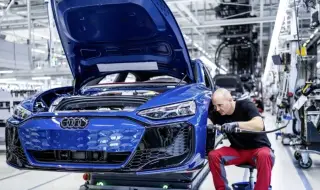
The outsiders of the ranking are mainly brands from the premium segment, which actively implement innovative solutions, but at the same time demonstrate the highest share of critical defects. At Audi it reached 78.78%, at BMW - 76.81%, at SEAT - 71.01%, and at Volkswagen - 68%. Such a high level of problems is explained by the excessive complexity of new systems and the large number of electronics, which turned out to be insufficiently tested in the first years of operation.
Carly experts also analyze the history of electrification of each brand. For example, Peugeot embarked on this path back in 2010 with the release of the iOn model, which was based on the Mitsubishi i-MiEV platform. Citroen launched the C-Zero on the market the same year - an identical model. Toyota, on the other hand, only entered the all-electric car market in 2022 with the bZ4X model, after a long focus on hybrids.
It is significant that brands with a longer history of gradual transition to electric mobility demonstrate significantly higher reliability. Instead, those companies that quickly entered the market with technically complex products faced huge defects, which are now reflected in the statistics.
This ranking becomes particularly relevant against the backdrop of the growth of sales of used electric cars in France, which have increased by 54% in the last year, and the total fleet of such cars has exceeded 1.6 million units. The average price of electric cars on the secondary market has decreased by 17.4%, making them more affordable for consumers.
At the same time, the study emphasizes that not every electric car is worth considering, and the issue of technical reliability should become a key criterion when purchasing. It does not mention why the study did not include Chinese electric cars, as well as those from Tesla.