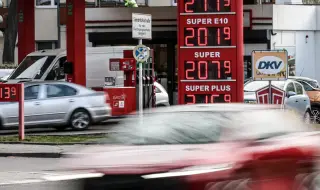
The ruling coalition in Germany, consisting of the Christian Democratic Union (CDU/CSU) and the Social Democratic Party of Germany (SPD), is already working on another package of measures aimed at supporting motorists against the backdrop of persistently high fuel prices. It could come into force no later than July 1, according to the newspaper “Bild“.
The CDU/CSU faction in the Bundestag (parliament) is considering adopting another package of measures to support motorists. “If the blockade of the Strait of Hormuz continues, we must prepare a third aid package. The focus will then be on targeted support for medium-sized businesses, the logistics industry and those who travel to work in other cities,“ told “Bild“ Sepp Müller, deputy chairman of the CDU/CSU faction.
Müller is a member of the so-called fuel price working group, formed by representatives of the CDU/CSU and the SPD. The group's next meeting will be on May 8. "As a working group, we intend to present concrete measures," Müller said.
At the same time, he warned against overestimating expectations for a rapid drop in gasoline prices. "We have to face the truth: normalizing prices will take months. Permanent subsidies from tax revenues are practically impossible," Müller concluded.
Fuel prices have risen sharply across Germany due to the Iran conflict. According to figures from the All-German Automobile Club (ADAC), the upward trend after a long decline finally consolidated over the weekend. From April 1, gas stations are allowed to raise fuel prices only once a day – at 12:00. This measure is modeled on Austria, where a similar policy has been in place for a long time.
On April 24, the Bundestag approved a tax cut of 17 cents per liter on gasoline and diesel from May to June. According to German Labor Minister Barbel Bass, this will result in a total reduction in fuel taxes for consumers and businesses of approximately 1.6 billion euros. The German government is currently discussing additional measures in the event of a prolonged conflict over Iran and a further increase in the consumer burden.