Iran will continue to strengthen its relations with Russia despite new US sanctions and the threat of restrictions on Iranian airlines. This was stated by the Ambassador of the Islamic Republic in Moscow, Kazem Jalali, at a press conference, commenting on whether Iranian carriers will continue to fly to Russia after Washington tightened the sanctions regime.
„We are friends with Russia. We have paid a high price in the fight against the unilateral actions of the US and the West. "Our positions coincide on many issues," Jalali said.
According to him, Tehran does not recognize the US sanctions against Russia and considers them "inhumane," while Moscow takes a similar position regarding the restrictions against Iran.
"Therefore, Iran will develop its relations with Russia no matter what and will strive to strengthen them," the diplomat said.
The statement comes just before September 23 – the date from which US Treasury Secretary Scott Besant claimed that the new sanctions could effectively isolate Iranian airlines from the international aviation market.
Besant warned that foreign companies that continue to operate sanctioned Iranian carriers risk losing access to the US financial system.
“If they land, you can't fuel them, you can't ground them, you can't sell them tickets, or you'll be cut off from the dollar system,” the US Treasury Secretary said.
The pressure builds on expanded US sanctions on Iran's aviation sector. On 8 September, the US Treasury Department's Office of Foreign Assets Control (OFAC) added 27 Iranian airlines to its sanctions lists as part of a package of 36 targets related to the aviation sector. Washington claims that Iranian aviation infrastructure has been used to transport weapons, military personnel and cargo in violation of sanctions. This is the position of the US authorities.
The new measures do not mean an automatic closure of the airspace of other countries to Iranian aircraft. The mechanism is based on secondary sanctions - Washington threatens with restrictions foreign companies and financial institutions that provide services to sanctioned carriers.
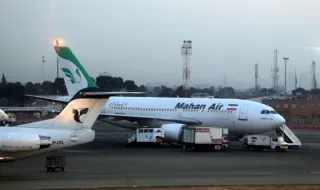
In practice, however, the pressure is already starting to make it difficult for Iranian aviation to operate internationally. Flights of sanctioned Iranian carriers to Georgia have been suspended, and Iraq has also taken steps to suspend flights by Iranian airlines. Earlier, Turkey and Oman restricted Mahan Air flights after talks with the US.
Tehran disputes the claim of a complete blockade
However, Iranian aviation authorities reject the claim that international flights of all Iranian airlines will be suspended from September 23.
The spokesman for the Civil Aviation Organization of Iran, Majid Akhavan, said that the sanctioning of 27 carriers does not mean an automatic suspension of the country's international air connections.
According to him, Mahan Air has currently limited its flights to certain destinations, including Istanbul, Ankara and Muscat, while the remaining carriers continue their international operations.
This makes Russia particularly important for Tehran. Moscow does not recognize the unilateral US sanctions against Iran, and Jalali's statement shows that the Iranian authorities intend to maintain air and economic ties between the two countries despite American pressure.
China also opposed the new restrictions today. Beijing described the unilateral US sanctions against Iranian airlines as illegal and stated that it opposes the use of such measures without an international legal basis.
The US campaign against the aviation sector is part of Washington's broader strategy to increase economic pressure on Tehran. In addition to aviation, the US measures cover the financial, oil and other key sectors of the Iranian economy.
Against this background, Jalali's position is a signal that Tehran intends to deepen ties with Moscow as a countermeasure to attempts at economic isolation. However, the actual effect on flights between Iran and Russia will also depend on whether the companies that provide fuel, ground handling, payments and other services on the routes will continue to work with Iranian carriers after September 23.