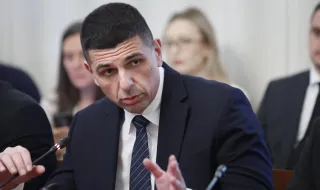
While commercial ships are being attacked by Russia with drones in the Bulgarian exclusive economic zone, Radev is seeking help from NATO and the EU for the crisis in the Black Sea, but at the same time welcomes the deal between Trump and Putin, which leading European representatives consider a concession to Russia. This was stated by the co-chairman of “Yes, Bulgaria” Ivaylo Mirchev in his post on the social network Facebook.
“Radev welcomes Trump's deal with Putin, and expects solidarity and protection from Europe in the Black Sea. At the meeting of European leaders in Brussels, Radev expressed support for the deal for Russian diesel. At the same time, European leaders are largely calling it a "gift to Putin," Swedish Prime Minister Ulf Kristershon warns that it increases Russia's ability to finance the war, and Italian Prime Minister Giorgia Meloni calls it a dangerous move that legitimizes Moscow and weakens sanctions, Mirchev emphasized.
The political leader considers the economic logic behind the deal between Trump and Putin to be particularly questionable, since the initially agreed 300,000 tons of diesel are equivalent to approximately two hours of global consumption.
“Russia has serious difficulties with its refining capacity. There is no guarantee of a permanent reduction in fuel prices, but there is real sanction relief and the possibility of additional revenues for the Kremlin”, explained Mirchev.
The people's representative did not spare his criticism of the contradiction in the behavior of the Bulgarian prime minister, who seeks European solidarity against the Russian military threat and at the same time supports the economic relief that allows Putin to continue the war.
“Therefore, from “Democratic Bulgaria” "We propose concrete actions, not declarations - building a Black Sea shield within NATO, through joint actions of Bulgaria, Romania and Turkey, enhanced radar surveillance, additional allied forces on the coast, fighter aircraft and helicopters to combat drones," Mirchev added.
The formation also requires the creation of an interdepartmental unit within the Security Council to assess and manage the economic risks of the crisis, including for the supply of fuel, grain and other strategic goods. Mirchev recalled that the Security Council has already proposed compensation of 20 euro cents per liter, financed through the excess profits of “Lukoil“ and additional VAT revenues.
“Bulgaria needs protection of shipping, security for the economy and a consistent allied policy,” Mirchev concluded.