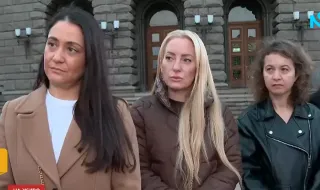
The controversial amendments to the Personal Assistance Act will be withdrawn and replaced with a new version to be submitted for public consultation. This was announced by representatives of parents of children with disabilities following a meeting with Deputy Prime Minister and Finance Minister Galab Donev, Social Minister Natalia Efremova and lawmakers from the ruling majority. However, the bill submitted on November 10 still appears as an active proposal in the parliamentary register.
“The matter will be put to public consultation so that all sides can sit down and discuss what changes can be made,” a parents’ representative said after the meeting. It remains to be seen when the submitted text will formally be withdrawn and what the new bill will contain.
What the Bill Provided For
The main change concerned the status of personal assistants. Their employment contracts were to be replaced with special contracts for the provision of personal assistance. The sponsors from “Progressive Bulgaria” defended the idea on the grounds that it would expand the range of people who can care for their loved ones and make it possible to combine assistant work with another job.
The bill provided for the hourly rate to be set each year by the State Budget Act. In 2026, it is 10.23 leva, or 5.24 euros per hour. Under the previous link to the minimum wage, the rate for 2027 would have reached approximately 5.57 euros, but the proposal kept it at the 2026 level. The government stated that incomes would not be reduced, while the opposition warned of a freeze or an actual reduction in remuneration.
It was also proposed to abolish mandatory contributions to the Unemployment Fund. Contributions for general illness and maternity were to become optional, while pension and health insurance contributions would remain mandatory. The bill also removed the additional remuneration for length of service and professional experience.
The Political Positions
GERB described the amendments as an encroachment on the labor rights of personal assistants. “Democratic Bulgaria” said the texts had been submitted without sufficient public consultation and that it was unclear how rights would be protected under the new contractual regime. The Movement for Rights and Freedoms also insisted that the bill be withdrawn, emphasizing the parents who provide constant care for their children. “We Continue the Change” and the Bulgarian Socialist Party also voiced criticism.
The government defended the bill by claiming that social benefits would be preserved, that personal assistants would be able to work under another legal relationship as well, and that oversight of the system would be strengthened. Maria Todorova, deputy chair of the Social Affairs Committee, said: “All benefits are preserved, and the status of the personal assistant is preserved.”
Ombudsman Velislava Delcheva called for a broad discussion and warned that the change could affect remuneration, leave, social security coverage, protection in cases of temporary incapacity for work and the recognition of professional experience. More than 800 complaints were submitted to the institution within two days. Delcheva insisted that the new regime must not lead to reduced incomes or an interruption of support for people with disabilities.
What Comes Next
On average, 82,878 people use personal assistance each month in 2026, including 12,893 children. The large number of users and the costs of remuneration were cited as some of the reasons behind the proposed changes.
Following the commitment made by the government, two separate steps lie ahead: the official withdrawal of the submitted bill or the termination of its parliamentary consideration, and the preparation of new texts. They must be discussed with parents’ organizations, people with disabilities, assistants and political forces. Until a new law is adopted, the current personal assistance regime will remain in force.
Sources: mediapool.bg, nova.bg, btvnovinite.bg