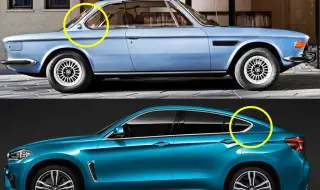
In a sea of fast cars, carbon fiber, and digital screens, we often miss the small but fundamental details that shape a car's character. One such unmistakable symbol that has stood the test of time and been adopted by the Bavarian automakers is the famous Hofmeister Kink. It's not just a whim of the designers; it's a brilliant fusion of functionality and aesthetics.
The Birth of an Icon in 1961
The story of this iconic element begins in 1961 with the introduction of the BMW 3200 CS and the groundbreaking BMW "Neue Klasse" (New Class). The creator of this design signature was none other than BMW’s then-chief designer, Wilhelm Hofmeister. His name is immortalized in this subtle yet definitive curve, which is a contrasting bend at the base of the C-pillar where it meets the window.
Why is this so significant? Before this point, C-pillars were often straight and cumbersome. Hofmeister creates a graceful deviation that achieves several key goals at once.
First and foremost, the curve is not just for beauty. It has a fundamental engineering role. This pillar shape dramatically increases the strength and rigidity of the body. In an era of increased safety and chassis torsion, this detail helps the roof hold up under higher loads, especially on coupes and sedans. Brilliant, isn't it?
Second, the curve visually connects the rear pillar to the body of the car, creating a tangible illusion of movement and flowing elegance. It draws the eye to the rear, emphasizing the width and power of the rear wheels - a key element in the design of rear-wheel drive sports cars.
The Bavarian signature is copied by everyone
Although it is most closely associated with BMW - where it is an indispensable element in every model, from the Series 3 to the flagship Series 7 - this design "trick" is quickly finding its followers. Manufacturers like Opel, Alfa Romeo and even some American brands have adapted similar solutions, as the effect is undeniable: the car looks more solid, sportier and visually more dynamic.
So the next time you see a BMW - stop for a moment and admire this small but mighty curve. It is the golden ratio of automotive design, proving that the biggest ideas are often hidden in the smallest details.