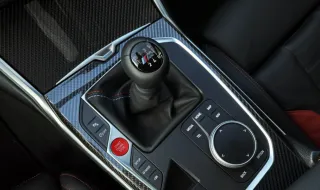
Mechanical transmissions continue to enjoy the reputation of being one of the most durable and unpretentious units in automotive engineering. Despite their simplified design mechanism compared to their automatic counterparts, their long-term operation directly depends on the driver's technical culture and compliance with several basic principles in everyday operation.
A whole range of factors influence the life span of the transmission - from the specifics of the design and power of the engine to the total weight of the vehicle and road conditions. Frequent movement in heavy city traffic, prolonged driving on mountain sections, overcoming difficult terrain or towing a trailer put the system under serious test. However, the most common damage results from gross errors in controlling the clutch pedal and gear lever.
To avoid premature wear of internal components, it is important to eliminate several bad habits. Fully depressing the pedal when changing gears is mandatory, as well as avoiding the so-called “half-clutch“ without real need. Starting and accelerating from too low operating speeds under heavy load also create unnecessary stress in the mechanism.
The cold months require additional attention — transmission oil needs a short time to reach optimal viscosity, and leaving the car in gear at negative temperatures for a long period can strain the components. Additionally, aggressive starts with slipping and shifting at extremely high speeds drastically shorten the resource of the entire unit.
Maintenance remains a key element for trouble-free operation. Despite the belief that the fluid in the transmission is eternal, experts recommend a preventive change of the lubricant every 60,000 to 100,000 kilometers. It is extremely important to use the oil specified by the manufacturer with the appropriate viscosity class and specific approval specifications.
The appearance of primary symptoms of a malfunction should not be ignored. Background background noise or whining in neutral gear, which disappears when the clutch is pressed, usually signals a worn input shaft bearing. A metallic crunching sound when shifting emphasizes worn synchronizers, and difficult movement of the lever or its spontaneous disconnection (“exiting“ from gear) are clear indicators for an urgent inspection. Since similar vibrations can be generated by a defective clutch, half shafts or worn engine mounts, an accurate diagnosis should be made by a specialist using the necessary equipment.