Lithuanian authorities have identified 16 suspected members of a network that is alleged to have planned and organised terrorist attacks across Europe, DPA reported, citing a statement by Prosecutor General Nida Grunskiene, BTA reported.
According to the prosecutor's office, the suspects sent parcels containing homemade explosive devices to other European Union countries and the UK.
"So far, 16 people have been named as suspects; arrest warrants have been issued for nine of them," Grunskiene said. She did not provide further details about the suspects.
In September, Lithuanian judicial authorities announced that they had identified a group of individuals suspected of sending incendiary devices intended for arson using the services of courier companies.
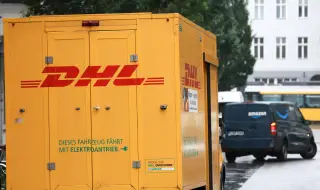
According to the statement, two shipments were sent from Vilnius to the UK by cargo planes of the logistics company DHL (DHL), and two others were sent to Poland by trucks of the courier company DPD (DPD). In July 2024, one of them caught fire at a DHL logistics center in the German city of Leipzig.
Lithuanian authorities say that the investigation revealed that the actions were organized and coordinated by Russian citizens linked to the Russian Main Intelligence Directorate (GUR). Authorities have not yet provided further details.
An investigative report prepared by media outlets from the Baltic states and Poland in cooperation with the Russian portal "The Insider" (The Insider) indicates that former Soviet officers and employees of Russian intelligence services are behind the attacks.
According to the investigation, the shipments containing incendiary devices passed through several European countries for almost a month without being detected. They crossed the borders between the Baltic states and Poland several times. The case was linked to arson attacks in shopping malls in Warsaw and Vilnius.