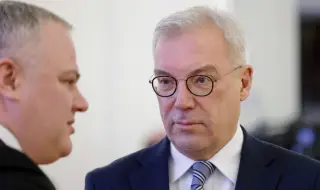
The agreement to settle the almost four-year-old conflict between Russia and Ukraine must also include security guarantees for Russia, a senior Russian diplomat said, quoted by Reuters and TASS.
“We recognize that the peaceful settlement of the conflict in Ukraine must take into account Ukraine's security interests, but a key factor, of course, is also Russia's security interests“, Russian Deputy Foreign Minister Alexander Grushko told “Izvestia“.
“If you look carefully and study the statements of the leaders of the European Union, no one talks about guarantees for Russia's security. This is a key element of the peace agreement. "Without it, an agreement is impossible," Grushko added.
Russian and Ukrainian negotiators have held two rounds of talks in recent weeks with US representatives in the United Arab Emirates. They failed to agree on a peace deal, but the two sides agreed to the first exchange of prisoners of war in five months.
Security guarantees for Ukraine were one of the main topics of discussion, along with the extent of Russian control over Ukrainian territory and a plan to rebuild Kiev after the war.
Ukrainian President Volodymyr Zelensky said last night that documents for security guarantees for Ukraine were ready.
Grushko listed elements that could be included in security guarantees for Russia.
They include Moscow's long-standing demands, including a ban on Ukraine's membership in NATO, a rejection of any deployment of troops by NATO members in Ukraine, and an end to what he described as the use of Ukrainian territory to make “threats“ to Russia.
The two sides agreed in Abu Dhabi to participate in a follow-up round of discussions, but a date has not yet been set. Zelensky said the next meeting would be held in the United States.
Ukrainian downhill luge competitor Vladislav Geraskevich said an International Olympic Committee (IOC) official told him he was banned from wearing a helmet with images of athletes killed in the war in Ukraine at the Winter Olympics in Milan-Cortina, Reuters reported.
Geraskevich said Toshio Tsurunaga, an IOC official responsible for communication between athletes, national Olympic committees and the IOC, had gone to the Olympic Village to tell him.
“He said the reason was Rule 50“, Geraskevich said.
Rule 50.2 of the Olympic Charter states: “No demonstrations or propaganda of political, religious or racial foundation“.
Geraskevich said the helmet he used during training for the Milan-Cortina Olympics will likely have to be replaced.
The IOC had previously said it had not received an official request from the Ukrainian Olympic Committee to use the helmet during the competitions, which begin on February 12.
Geraskevich, who held up a banner reading “No to War in Ukraine“ at the 2022 Beijing Olympics days before the Russian invasion began, said he intended to abide by Olympic rules but would also make sure Ukraine's fate remained visible during the Games.